Programmatic Ad Campaign
Programmatic Advertising

Best Practices in the Creation of a Programmatic Ad Campaign

Best Practices in the Creation of a Programmatic Ad Campaign Programmatic advertising is very powerful, and the fast-changing landscape of digital creates an opportunity for marketers to target audiences efficiently and cut costs in ad spending, resulting in dramatic returns in any campaign. With programmatic advertising, ad inventory can be bought automatically and without any interference from humans and purely by data and algorithms. There are some best practices that you have to adopt for getting maximum benefit out of your campaigns. These are the core strategies and practices that people follow for their best possible successful programmatic ad campaigns. 1.Know Your Target Audience Know your target audience. As said, knowing your customer lies at the heart of every great programmatic campaign, gathering all the data which is available regarding your customers, by Demographics: age, gender, income, education Behavioral Data: behavior online, buying patterns, habits of media consumption Geographic Insights: where your target audience lives. Psychographics: values and interests, lifestyles. Customer data analysis via CRM, analytics platforms and DMPs. Customer personas will make you design the ad creatives, messaging and targeting strategy much better. 2.Define Goals and KPIs Clearly Before even using this to you one should define what goal you’re attempting to create and create measurable KPI’s. They can either be; Brand Awareness- Impressions, reach or views. Lead Generation conversions, signups, downloads. Sales- direct sales increases in revenue Engagements. CTR’s also known as click-through rates. Deep in the optimization goes hand in hand with and of course measurement; it requires linking, when getting your KPI into each campaign goal and thus for tracking performance. 3.Leverage Data and Insights Data is the lifeblood of any effective programmatic campaign. Combining first-party and third-party data can help boost the targeting of your audiences. First-Party Data: That is captured from your website, application, and CRM. Very targeted and direct to actual customers Second-Party Data: Partner with trusted platforms or businesses to access its customer database. Third-Party Data: Partner with data providers to access various audience segments by demographics, interest or behavior. Conclusion Step: Leverage historical learnings of your campaign on what works and does not in your strategy 4.Choose the right programmatic platform It is the DSP which actually makes all the difference between success and failure of the campaigns. Among the top-level DSPs, four in sight are: Google Display & Video 360, The Trade Desk, Amazon DSP, and MediaMath. Other selection criteria of the platforms are listed below : Inventory quality : the placement of the ad must be premium Targeting capability : they ought to offer contextual, behavioural, and location-based targeting. Analytics and Reporting : Select those that offer strong analytics capability. Real-Time Optimization: AI and machine learning enable the real-time optimization of a campaign by using platforms. 5.Ad Creatives and Messaging Creativity in ads is what will make it viewed or not, thereby bringing about engagement. The best practices concerning ad creatives are as follows. Personalized Message: DCO delivers dynamic content in this ad, which is personalized with respect to the information gathered pertaining to user data. Good looks Aesthetic Look: A really obvious quality visualization graphic and beautiful videos Strong call to action: The call to actions can easily push people into answering. Mobile-friendly creatives: Make sure all your creatives are responsive and beautiful on each screen. Run different versions of ads to know which one among them really resonates that well to your target audience. 6.Efficiency in Audience Targeting Programmatic Advertising comes with the following types of targeting: Behavioral targeting: It uses past online actions that a user has done. Contextual targeting: Ads appear on content relevant to your message Geotargeting: Target people according to their origin Retargeting: Reaches out to the users that have somehow interacted with your brand Leveraging lookalike audiences to scale into the customers that demonstrate all the characteristics that your old customers could have displayed. 7.Brand Safety This has also become one of the most critical issues that every advertiser must contend with. Brands must, at all times ensure that they avoid all sorts of unwanted irrelevant places where their advertisements are showing, in the following ways. Whitelists-this lists those domains where getting ads posted only on such websites trusted Blacklists: Those are the websites to be avoided to have any ad posted on. Verify tools or platforms for ad placement tracking, such as IAS, DoubleVerify Use contextual targeting so you would avoid unwanted and offending content Brand safety. You will keep your reputation in safe condition, at the same time your campaign will be believable in the people’s mind 8.Optimization for Performance Optimized campaign success. You are in the know with real-time data at every phase of your campaign’s life cycle and will be ready to make adjustments in real-time KPIs: impressions, click-through rates, conversions, ROIs Bids: optimizing a bidding strategy to spend as few dollars as possible without hurting performance Test A/B: test different ad formats, creative, targeting options to see what wins Limit the number of impressions and avoid ad fatigue problem; don’t make a user see too many repeated ads  It will not save much on the budget but, at any price, will ensure that however much is spent on advertisement, it yields the returns envisioned. 9.Cross-Device and Omni-Channel Strategies The same ad can be interacted by a consumer through multiple devices and platforms. Cross-device and omni-channel strategies can be pursued so that seamless end-user experience is achieved during its creation. Cross-Device Targeting: It assumes serving the ad on a computer, mobile phone, tablet and on the connected TVs (CTV) ahead of a user. Omni-Channel Advertising: The video in the social, native, audio and the display ad all fall in the same programmatic methodology. This would mean the same thing for more highly powered campaigns by employing a cross-device and an omnichannel approach 10.AI and Automation The programmatic Advertisements are also quite very friendly as well as based on Artificial Intelligence Advertisement. Avail from the technology using Artificial based intelligence in the following fashion- Real-time bid optimization: AI
Edit Video like pro
Video Editing

How to Edit Video like a Pro on a Small Budget

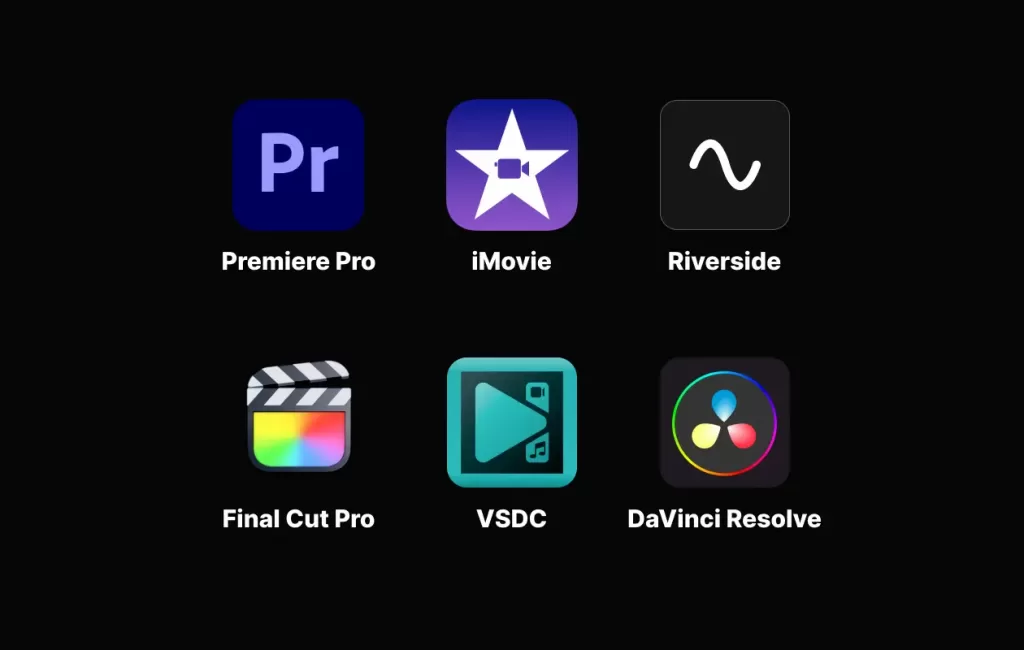
How to Edit Video like a Pro on a Small Budget No matter what the quality of the equipment and software, however costly they are, needs to be utilized in editing videos professionally. A little creativity, resourcefulness, and all-smart strategy booting will do just fine. It could be you; be it a content creator or you own a small business or just cannot have enough video editing, the following article is going to provide that great head start to showing you how to edit your videos at no cost. Understanding What “Pro” Video Editing Is Before diving into the tools and techniques, let’s first understand what “professional” video editing is. Professional video editing means Seamless storytelling: Your video has a clear and engaging narrative.  High-quality visuals and audio: crisp footage with well-balanced sound.  Attention to detail: clean cuts, transitions, and polished effects.  Audience-centric approach: your content caters to the preference of your target audience. The good news? These goals do not have to break the bank. Basic Equipment for Low-Cost Video Editing 1.Low-Cost Editing Software You do not necessarily need to have professional-grade editing software. It can be very costly. Some of the available affordable ones are: DaVinci Resolve (Free): The free version of DaVinci Resolve is famous for its color correction and grading, with professional-grade tools without watermarks. HitFilm Express (Free): It is suitable for beginners and intermediate users as it has in-built effects and a user-friendly interface. Lightworks (Free): Pretty strong at its edit tools with intuitive timeline but the free option is bare-boned about export Filmora $49.99/year; includes drag-and-drop and motion tracking, and cool effects. iMovie Free; macOS and iOS. A completely free-to-the-user edit tool that allows users access to the App Store through Apple’s systems, meaning all of it’s pretty basic video-editing ability is included 2.Budget-Friendly Hardware This type of video editing is done and finished on low to medium machines. Some performance tips can be mentioned to achieve high return without wasting much money. Increasing RAM: Increases speed regarding the rendering and playback of media files Adding An SSD: It boosts up general performance as it changes a hard drive. Saving huge files in cloud, Google Drive or Dropbox and that will save the space of memory in computers. 3.Free Stock Resources Stock Footage Like Pexels, Pixabay, Videvo, all have free stock videos. Audio and Effects: YouTube Audio Library, Free Music Archive and Zapsplat, the website to get free sound effect royalty-free Animations and Overlays: can get titles and overlays absolutely free from Canva or PNG Tree The Simple Steps to Video Editing like a Pro 1.Planning of a Video Project Any video will look great only when preparation is done. This is what needs to be prepared before attempting an edit. Define a Storyline: Use Storyboards or Write a Screenplay to Organize a Stream of Thoughts. Know your audience: Style, pacing, and visuals should be designed for your target audience. Collect your assets: All your footage, images, music, and other assets in one place. 2.Organize Your Timeline A well-planned timeline is the solid base for great editing. To achieve that: Group similar clips in one section: All the interview clips, for instance Label and color-code your tracks: Audio, video, and special effects need labels Cut out unneeded footage: Eliminate dead air, shaky footages, and other non-essential parts early 3.Master Basic Editing Techniques On a very tight budget, these core techniques will already give your edits a good lift. Trimming and Cutting : Removing unwanted parts of footage with clean cuts. Transitions : Use simple transitions like fade or dissolve so the scene changes are smooth. Adjust Speed : Making slow motion and time-lapse effects on moments so emphasis is added. Audio Syncing : Syncing the dialogue and sound effects into the visuals 4.Highlighting Sound Design Audio breaks or makes a video. Here’s how it could be made professional. Background Music: Sets mood with royalty-free tracks. Noise Reduction: Eliminates background noise through native DaVinci Resolve or Audacity software. Audio Levels: The music, dialogue, and effects are all well-balanced, and no one drowns the other out. 5.Improve the Images Even with a shoestring budget, these will upgrade your images: Color Correction: Brightness, contrast, and white balance to make every shot look the same. Color Grading: Creative color for making it cinematic Stabilization: Software can even stabilize shaky video. Crop and Frame: Different types of media will have their respective aspect ratios. Example-16:9 is the standard one for YouTube. For Tik Tok, the ratio will be 9:16. 6.Add text and graphics Professionals will add the text overlay, titles, and lower third to the videos. How to make professional pictures: Use templates: Using the software canva or preexisting templates in Filmora saves quite a lot of time. Do not overdo or over apply special effects. The text and color are going to fit with your aesthetic given the theme. 7.Export to All Devices Export it in the highest quality, ensuring that the video plays smoothly. These are your options: Resolution: At least 1080p for most devices. Bitrate: This will be balanced with file size; YouTube actually recommends 8 Mbps for HD. File Format: MP4 is very well supported, and compression won’t degrade the quality much either.

video editing tools
Video Editing

Top Features to Look for in Video Editing Tools

Top Features to Look for in Video Editing Tools Video editing slowly lost its niche. But with the high pressure of making video content on YouTube, Instagram, and TikTok, video editing slowly transcends into a daily hub for new generations of creators. And all of these available choices that are emerging in the said industry still linger; what fits best? First, how one identifies which ones would be important and thus needed. This guide explores some of the top-rated features and how they relate to video editing applications in augmenting creativity. Why Video Editing Features Matter? All video editing software says it will convert raw footage into a final product, but few are equal. Great features do more than stretch your creative possibilities; it improves your workflow, saves precious time, and raises your confidence levels of getting some of the sought-after professional looks for you and your videos-including you, pro editors and new enthusiasts alike. Now let’s walk through the features that must be on top of your list when choosing video editing tools. 1.Friendly Interface The clean intuitive interface is one of the must-haves in such tools: it must be user-friendly and works fine for beginners. Friendly design lets you navigate through the tool and features less frustratingly, find fast such functions as trimming, cutting, and effects, and spend more time on creativity and less time figuring out how the software works. Drag-and-drop tools and workspaces make editing pretty effortless to a large extent. Examples: iMovie: It is the most elementary, user-friendly interface, and it’s clean and understandable. Filmora: This one is pretty well-balanced between simplicity and functionality-that is why many beginners like it. 2.Professional Editing Software Fundamentally speaking, an editing tool should offer all the basic functions: Trim and cut: It deletes unwanted parts of your footage. Clip merging This involves the combination of one or more clips for maintaining flow in the story. Clip splitting This is the segregation of the footage into increased frames for perfect cuts. Control Speed of Playback This can be applied in a slow motion or fast motion effect. These are the general rules of video editing in any software and you will ensure that these will become easier for you to get hold of in your software. Pro Tip: Feel how sensitive such tools are before investing in a demo of the software itself 3.Advanced features that let you think creatively to gain flexibility Basic tools are a must, but the advanced feature opens new doors to creativity. So, you need video editing software that will enable you to have the following: Multi-track editing: You can edit several layers of video and audio simultaneously. Keyframe animation: You can make certain points in your video move based on the effects you want to apply. Motion tracking: You can track graphics or text to objects in your footage. Chroma key (green screen): You can easily swap backgrounds for professional effects. Masking tools: You can mask certain parts of your video for applying the effect selectively on those areas Some examples include : Adobe Premiere Pro and DaVinci Resolve is very feature rich, so it is favourite among pros. 4.Effect Library and Templates Adding transitions and templates to your videos does wonders on quality. The best tool gives you: Pre-made transitions: seamless cuts between scenes Filters and overlays: that special atmosphere or feel in video Pre-designed intro, title, and ending screen saves you precious time. Sufficient effects library. No re-invention of the wheel in editing sessions. Some of them, like Final Cut Pro, have plugins that will help you enrich your effects library as well. 5.Audio Editing Features Audio must be as important as video in any video project. Good quality audio features will allow you to: Synchronize audio and video smoothly. Remove background noise for clear sound. Insert sound effects and background music easily. Balance the levels between clips. Make voice-overs possible directly within the software. Audio ducking is not available for professional or story telling videos. View: The Filmora audio ducking feature, it automatically damps down the background music if there’s a voiceover involved DaVinci Resolve Fairlight audio panel to hone 6.Color Correction and Grading Color correction and grading can dramatically change the mood and quality of your video. Above are the must-haves to: Brighten and contrast tweak: tweak the general look of your shot. Colors fine-tuning: adjust the color ratio to look as natural as possible. Color grading: Give your video a cinematic feel with LUTs- Look-Up Tables. Pro-Tip: Apart from these color grading tools, there’s DaVinci Resolve-that’s pretty great in painting even in free form. 7.Export Options and Formats When you are all done, you would want to make sure that you are saving in the correct format and resolution for output. Best video editing apps give all this. Multi-resolutions: 1080p, 4K, etc. Export presets to applications online like YouTube, Instagram, TikTok, and so much more Ability to set file size whilst maintaining quality Quick export At other times you can even export directly by clicking on the social media sites again a time saver feature as well. 8.Cross-Platform Compatibility Most creators use more than one device so the need to have cross-platform compatibility can never be over-emphasized. Look out for the following in these tools: Sync projects across desktop, tablet, and mobile devices. Cloud storage to make access to your work smooth. Give consistent functionality across devices. For Example: Adobe Premiere Rush and Clipchamp are leading the pack in cross-device functionality. 9.Performance and Speed Editing can be very resource-intensive. For any given performance-optimized editing software, it will present: Smooth playback: plays in full resolution without loss Fast rendering: so wait time to export reaches historical lows Hardware acceleration: it uses computer’s graphics processor to provide best results Tips for New Users Be cautious and go through demos to get the feel of exactly what kind of responsiveness the software truly offers. Preview some test edits back and forth before settling upon them finally. 10.Materials and Community Support That

Video Editing Software
Video Editing

Best Video Editing Software for Beginners

Best Video Editing Software for Beginners Video content has today become an essential medium through which people tell stories, market their products, create educational content, and amuse themselves. Whether a beginner YouTuber or a small business owner with an interest in creating memorable videos of family events, a wrong video editing software can sabotage all your projects. Keeping that in mind, the main problem often faced by beginners is that at times they are assigned to search for a tool that both is powerful as well as easy to use. Given below is the guide covering best video editing software for beginners as well as features on how to pick the perfect one according to your needs. Why Choosing the Right Video Editing Software Matters Before telling the best video editing software for beginners, let’s talk why the right one is necessary: Ease of Use: Beginners should use intuitive tools with a friendly interface that makes editing as easy as possible. Learning Curve: Some may take hours or days to master them. Choosing beginner-friendly options avoids frustration. Features and functionality: Transitions, effects, as well as the ability to edit audio are very creative in features but simple ones might do the job for the small edit needed. Affordability: A start-up artist that is limited by its budget will of course begin with a low cost or a free software. Exporting options: Exporting made easy directly to YouTube, Instagram, or TikTok makes the dissemination of material easy. Best Video Editing Software for Beginners 1.iMovie Platform: macOS, iOS Cost: Free iMovie is perfect for someone using Mac and iPhone. This is a video editing application, and anyone can do anything with it via a clean and intuitive interface. Among the benefits are: Pre-designed themes and templates to edit with ease Drag-and-drop video and audio placement with ease Transitions, effects, and titles built into the app High-quality export options; 4K is included Integration with other Apple products and software like Final Cut Pro 2.Adobe Premiere Rush Works on: Windows, macOS, Android, iOS Free, feature-limited Adobe Premiere Rush is the one especially for beginners and amateur creators. It boasts such features as: Cross-platform compatibility so you can cut anywhere. Intuitive timeline that makes cutting, trimming, and reordering clips a lot easier. Built-in templates of social media videos. Direct export into YouTube or Instagram. Color correction and motion graphics, etc. for professionals 3.DaVinci Resolve Platform: Windows, macOS, Linux Cost: free, Premium for the Studio version DaVinci Resolve is a pro tool with an amiable astonishingly free version. Some of the basic features are; Clean tabs, most importantly those with editions, color correction as well as audio mixing tabs All basic editing features fit for the new ones Advanced ability for one if they planned to increase their knowledge of things over time. There exists a free good quality; the watermark in the exports is not a major hinderer for the user. Industrial standard color grading included 4.Filmora by Wondershare Platform: Windows, macOs Price: Freely available trial version comes with watermarked exports);  one time a year; has subscription A highly usability product for new comers; very intuitive UI with respect to features very detail rich. Features present Drag-and-drop interface will make editing work very easy. Many effects, transitions, filters available in in-built resources. Library consists of many royalty free music and sound effects. Tools including motion tracking with green screening facility. Very easy means of exporting that suits all your desired resolutions at all available platforms. 5.HitFilm Express Platform: Windows, macOS Free of cost but comes with cost augmentation components HitFilm Express is perfect for those interested in learning basic editing skills and very simple effects. Some of the Key Features listed include: Free version of robust edits without watermark Library of over 400 effects and presets Tutorials to guide and support that are specifically tailored for beginners. Paid Addons to provide additional 3D rendering, and color grading. 6.OpenShot Platform: Windows, macOS, Linux Cost: Free OpenShot is an open-source video editor. It is very friendly so suitable for beginners, and the following features are featured here: User-friendly interface with drag-and-drop functionality. Unlimited layers of video, audio, or images can be added. Built-in animation and keyframe tools Basic effects, transitions, and title templates are present Really updated with an excellent community support. 7.Clipchamp OS: Windows, Web-based Price: Free (features limited), Premium Recently acquired by Microsoft, Clipchamp is the top web-based alternative for a new user. Here are some of its features: Pre-made templates for different types of videos. Timeline, which will make editing relatively hassle-free. Stock video and audio library, royalty-free. Direct export to social media sites. Integration with Microsoft 365 applications. 8.Canva Video Editor Web-basedApplication: Free (free version), Premium Another great option that the new video creator would enjoy working with is the Canva video editor, which has these features among others: There is a drag and drop interface which will take little time to know its use. Templates are mostly pre-designed for social media materials. Easy, uncomplicated tools for trimming or addition of text, and transition. Integration with all Canva graphic design aspects. Quick export options that feature all the common social sites Selecting the Best Video Editing App for Your Needs

Role of AI in Programmatic Advertising AI
Programmatic Advertising

Role of AI in Programmatic Advertising

Role of AI in Programmatic Advertising AI made sectors reach a new dimension of which advertisement is a correct example. With the intricacies which AI develops every second minute, it is truly standing tall at the forefront lines of programmatic advertising therefore making it possible for brands to reach their desired targeted audiences in a more efficient, faster, and intelligent manner. It be it about the advanced targeting or real-time optimization of campaigns, AI-based programmatic advertising is transforming the very nature of consumer-business interaction. What is Programmatic Advertising? It’s about digital ad inventory trade involving the substitution of data and technology for real-time bidding and a traditional manual process. This way, the process allows the advertiser to offer personalized ads to exact audiences through various devices and channels. Programmatic advertising is also important with AI. It involves using data insights, machine learning algorithms, and predictive analytics to strengthen delivery, targeting, and ad performance. With the implementation of AI technologies, it has now made the programmatic advertising world better by automatically managing processes, analyzing huge chunks of data, and also optimizing the campaigns in real time. Here’s how AI infuses into the programmatic advertising: 1.Advanced Audience Targeting AI helps in segmenting the audience at the right level by finding patterns and insights in all data available on various platforms-be it browsing history, demographics, purchase history, or social media activity which can help in reaching the audience at the right time. 2.RTB-Real Time Bidding RTB is that kind of auction process wherein central AI will buy and sell ad inventory in real time. It goes through million data points in just milliseconds to understand whether or not that impression of the ad makes it worth putting the bid for it. It just makes sure that ROI goes back into the impression of investors coming from the investment they have created by the Advertisers. 3.Predictive Analytics Historically and by trend, the AI that makes predictive analysis would give a nod whether any strategy, creative, or any channel can be done better. This will further fortify the strategic placement of the advertisers’ budgets and minimize the probability of bad spending 4.Dynamic Creative Optimization (DCO) DCA by AI allows the personalization of ads to the consumer in real-time. AI will access the data of individual users and it will come only to change the copy of a banner ad and headlines that makes it special for that customer. 5.Campaign Optimization AI tracks how the campaign is performing in real time and keeps adjusting to make outcomes of the best. This includes Adjusting the bids according to the metric of performance Freeze budget towards channels or creative with good performances This is a side where it freezes campaigns from losing out to low performances. 6.Fraud Detection and Prevention The most evil targeting the digital ads whereby all these in total are earning their billions annually in ad fraud. AI will prevent that from happening using an awareness system of suspicious activities such as clicking or impressions using bots. AI detects fraudulent activities and excludes those, thus giving real engagement and ROI to the advertisers. Advantages of AI in Programmatic Advertising It is used in programmatic adverts; therefore, it has achieved a number of efficiencies as well as improvements based on accuracy and effectiveness that are provided. Advantages of AI in Programmatic Advertising It is used in programmatic adverts; therefore, it has achieved a number of efficiencies as well as improvements based on accuracy and effectiveness that are provided. 1.Efficiency AI automates laborious processes such as audience segmentation, ad placement, and performance monitoring. This leaves most of the thinking on strategic and creative thinking to the advertiser instead of laboring through manual tasks. 2.More Accurate Targeting AI can process a huge amount of data. This is sure to make sure that the ad is reaching the most relevant set of people. In turn, wastage on the ad spend is reduced in the face of highest opportunities for conversion. 3.Real-Time Decisions AI works at the speed of light and always keeps spaces free for the real scopes of decision-making and altering them too. Thus, through any change in the behavior by the audience or some trend of the market, instant results would be there coming back from the advertisers. 4.Cost-Effectiveness AI optimizes ad spend because less impression wastage is seen that way results are better in the same budget. It is more valuable for small and medium enterprises also. 5.Personalized User Experiences AI makes ad delivery personally relevant so increase engagement, in fact, the whole customer experience 6.Scalability AI scales the ad pretty well across all these platforms and geographies, keeping it coherent in both performance and messaging on the brand side. Challenges of AI in Programmatic Advertising While AI has numerous advantages, it also brings some challenges: 1.Privacy Issue of Data User-based targeting creates an issue of privacy as advertisers need to be sure that they are in compliance with data regulations such as GDPR and CCPA in order to be sure of the user data received. 2.Quality of Data AI processing needs good quality data, but when the data is of poor or incomplete quality, then targeting would be weak and, hence, suboptimal campaign performance would be expected. 3.Complexity and Learning Curve AI-driven programmatic advertising is not that easy and it requires technical know-how as well as a learning curve. Small businesses cannot work on and run AI-driven campaigns without some external help. 4.Ad Fraud Risks Though AI fights against ad fraud, advanced fraudsters keep coming up with new tricks. As AI goes on advancing further enhancement is required to outwit the fraudulent practices. Future of AI in Programmatic Advertising AI technology will be more deeply integrated with programmatic advertising. Other trends that should be watched for are the following: 1.Voice and Visual Search Integrations Programmatic campaigns can now use AI to tap into voice and visual search data so that the users are targeted straight with their questions as said or through visual mediums.

Small business benefits
Programmatic Advertising

Small Business benefits from programmatic ad buying

Small business benefits from programmatic ad buying The world has become so digital that, today, it changes fast enough to leave little to wish for small enterprises to compete against the giant corporations with their marketing budgets. Now, in this digital world, there comes a game-changer in the form of programmatic advertising that lets small businesses target their desired audience at the right scale. Unlike traditional forms of advertisement, in programmatic advertising, automation is used along with data and technology to present advertisements at the best possible time in front of the right people across a range of mediums. We shall see, in this blog, the advantages of programmatic advertising for small businesses and how it can be utilized to drive growth and success. What is Programmatic Advertising? Programmatic advertising was only the automated, real time buying and selling of the inventory of digital ad. With the fact that it determines where, when, and to whom put the ad, this process takes into consideration data-driven algorithms. In this regard, precision in targeting at a more cost-efficient way does not make it so useful in usage for smaller businesses with relatively scarce resources. Advantages of Programmatic Advertising for Small Businesses 1.Cost-Effectiveness of Advertising Programmatic advertising is very advantageous for small businesses because of cost-effectiveness. RTB in the programmatic platform allows real-time competition in an auction for not over-invested ad space, which ensures that ROI is maximized by ensuring that impressions reach the targeted audience at a cost payable only to the small business. It can avoid other manual processes connected to traditional ad buying so administrative costs are not incurred, and resources free up for strategy and creativity. 2.Accuracy in Targeting The targeting could be very specific towards small businesses on demography, interest, and online behavior etc. Therefore programmatic advertising can truly execute better in serving hyper-targeted ads towards the specific audience segments. Some advanced targeting options are as under: Contextual Targeting: These target adverts which have some affiliation to the website or application that somehow relates to your business Behavioral Targeting: This aims at the people who have at some point in the past, interacted with your advert or content concerning this aspect in your business Geo-Targeting: To the small players in businesses, they will realize what it entails as it primarily bases its concentration on location Lookalike Audiences: It identifies customers who are somehow very similar to the ones presently onboard in the business. Hence, if this is the level of precision, then it goes ahead to assume that small business players will throw all their ad budget that they can afford to expend, all targeted at the highest potential converter. 3.Real-time Analysis and Optimization Another good feature of programmatic advertisement is that it can deliver real-time analytics. Small businesses will be able to know how their campaigns are running through metrics like click-through rates, conversions, cost per click, return on ad spend among other analytics. This data will allow small businesses to make a better decision by changing their advertisement campaign to reach the appropriate level of marketing. If the creative work of the advertisement is not doing great business, it will be easier to replace by middle runs. Flexibility in that context is such a key to winning between small and medium-sized competitive businesses when in high speed markets. 4.Wider Channel Network Availability The good thing is that programmatic advertising does not restrict small businesses to one platform and format. They can roll out their ads on different channels, including the following: Display Ads: These are banner advertisements which come up on any website or mobile applications. Video Ads: These are engaging advertisements coming up on sites like YouTube and associated TVs. Native Ads: The native ads are inclusions with the content itself on any given website. Audio Ads: Audio ads play out in audio streaming services as well as podcasts. Social media – Facebook, Instagram and LinkedIn all have options to serve programmatic campaigns. This multichannel approach enables the small business to speak with its target audience where they spend most time-so, for one thing, a brand experience is much more uniform and consistent. 5.Personalization at Scale Those are going to resonate and connect with the commercials that would actually feel highly relevant and custom for every consumer. Through programmatic, small-scale businesses get a chance to facilitate such very highly customized message communications using user data. Dynamic Creative Optimization takes this personalization to the higher levels because it auto-personalizes the entire content, like images, headlines, and calls to actions to every individual user in real time. For example, a neighborhood bakery can hang seasonal treats for locals, but still offer catering services to entrepreneurs. Such local context can greatly enhance engagement and conversion rates. 6.Efficiency Gained with Automation For small business owners, time is money. Programmatic advertising automates much of the process of buying ads, including: TargetingBiddingPlacement All these automations work with the least interference or wastage of time to help free the hands of a business owner for being at hand to take care of any urgent kind of requirements. Besides, real-time optimization also occurs here just to optimize performance for a particular campaign without just staying idle and keeping watch over everything. 7.Scalability and Flexibility Programmatic enables small businesses to start with extremely small budgets, and as the business grows, this business can be scaled. Campaigns could easily be altered depending on changing goals, seasonality, or whatever audience behavior is in vogue. This would help small businesses remain agile and responsive in this dynamic marketplace. 8.Leveling the playing field Small businesses will never be able to compete in the market since they do not have that much fund or budget and resources in advertising. The programmatic level does level the playing field because now they have a chance to access those high-tech tools and technologies that even the big brands weren’t able to during other times. With programmatic, small businesses will be able to effectively target niche audiences, compete for high-value ad placements,

Build a Programmatic Advertising Strategy
Programmatic Advertising

How to Build a Programmatic Advertising Strategy?

How to Build a Programmatic Advertising Strategy: Tips for Success in 2025 This is the world where programmatic advertising appears to revolutionize digital marketing, in which brands reach their targeted audience more efficiently, are better on efficiency, targeting and data, and in any terms, really. So, so far it appears that the trend hasn’t come out with some different results yet for this year, again because since turning the calendar over to 2025 business results via programmatic ad never quite larger. Obviously, there are great programmatic advertising strategies and just requires pretty much bit of transparent view of the technological, trends and practices make space something really quite amazing. So, let’s dive in to how one might build a winning programmatic advertising strategy for 2025 and what actionable tips it can have for success in this blog. So, what is programmatic advertising? This type of advertisement, unlike the rest that involve algorithms and data to figure out what ads a particular audience is due at any particular time, has the uniqueness of automatically doing its selling and buying in real-time through a process known as real-time bidding, therefore ensuring that campaigns are not only cost-effective but laser focused on desired outcomes. It offers immense scope to programmatic advertisements, including several formats and types of medias such as, particularly; display ads, video advertisement, and native advertisements.                Connected TV and Over – the – Top advertisement                Audio advertisement                Mobile advertising.                Precision targeting with automation; that blood for any modern approach in marketing Why Programmatic Advertising Must Be Used in 2025? 2025 awaits in the door, and advertising came at breakneck speeds. Here are a few reasons why programmatic advertising will be a must: Data is growing up: With AI and big data, marketers can fetch granular audience insights. Programmatic advertising uses those insights to target users on their behavior, preferences, and demographics. Omnichannel opportunities: This programmatic ad brings to the brand seamless and consistent experiences from smart TVs to mobile applications on behalf of consumers who are accessing multiple devices and platforms content. Automation assists in the elimination of labor-time-consuming processes so that the buying of ad campaigns gets appropriately managed in terms of no wastage of spend. Personalized at a mass scale: Even though it can serve enormous audiences with customized ads at gigantic levels, through programmatic ads, the more relevance received, the more engaging and converting it becomes. Future Technologies: Development through artificial intelligence, blockchain, and machine learning brings efficiency and transparency to the digital advertisement program. Perhaps it could be the absolute necessity in the year 2025. Steps to Build Programmatic Advertising Strategy in 2025 To have an excellent programmatic advertising campaign requires planning, execution, and optimization. The steps will guide you: 1.Define your objectives Come to a clear understanding of the objects for your campaign before going ahead and venturing into a programmatic advertising. They may include brand awareness, creating website traffic, generating leads, improving sales growth, as well as customer retention improvement. Be specific and set measurable goals using the Key Performance Indicators, or KPIs. For example, if your goal was to increase hits on the website for 50,000 visitors by three months, then KPI is a success. 2. Understand Your Customer All successes of an advertisement depend on the understanding of who your customer is. Use tools such as Google Analytics, social media insights, and CRM information by: Identification of demographics: age, gender, location, and income Psychographic knowledge: interests, behaviors, pain points Segment your target audience appropriately to personalize targeting 3.Choosing Right Programmatic Platform There are hundreds of DSPs, each with their special strengths. Among the top leaders of DSPs, one finds the following: Google Display & Video 360 The Trade Desk Amazon Advertising MediaMath AdRoll Choose a DSP that best fits your campaign objectives, budget, and ad formats. Most of the ones above have detailed targeting, artificial intelligence -based optimization and real time analytics. 4.Polish First-Party Data By 2025, First party data will form the crux of programmatic advertising plans. It’s that information regarding your audience through site interaction, apps, CRM data, etc. How to use First Party Data Strategically Design a healthy collection process Use use-of-consent management tools with proper support over privacy laws, like GDPR and CCPA Use first-party data when integrating your DSP for more targeted ad impressions. 5.Creative Assets Creative Assets Creation What catches their eyeball is your ad creative. And the importance of creativity over 2025 means that there will be a need for creativeness to get out there first off. Focus areas: Visual attention: Lovely video and animations keep eyes of viewers active for a long time. Message: Message should be short, crispy, Interesting for target group End Personalization: Use DCO to personalize an ad for each user 6.Most Advanced Targeting Abilities Programmatic advertising is having most advanced targeting abilities ever. In year 2025, it can be utilized in following ways, Contextual Targeting: Serving based on the content found on a web-page or an application Behavioral Targeting: Showing on the basis of some behavior which users have previously demonstrated from their online activity Geo-Targeting: Targeting specific geo locations and geographies Look-a-Like Audiences: Identifying who seems to be your most relevant customer 7.Omni Channel Campaigns Omnichannel is the way to access a larger audience than before. Through Programmatic advertisement you can now send across adverts through the following channels- Websites Mobile apps Social media platforms Television connected (CTV) Radio digital channels, such as podcast or music streaming apps 8.Measuring and Optimizing Campaign Performance Programmatic ads do not work on the “set it and forget it” premise. Monitor your campaigns frequently and track what is working and what isn’t. What to watch for: Impressions CTR Conversion rate CPA ROAS Take these learnings and fine-tune your targeting, creative, and bidding strategy to deliver better performance. 9.Privacy Laws In 2025, data privacy will be

Search Engine Rankings SEO
Digital Marketing

Emerging Trends and How to Stay Ahead in Search Engine Rankings

Emerging Trends and How to Stay Ahead in Search Engine Rankings SEO is evolving every day and search engines update their algorithms to give the best possible result to the users. Marketers and businesses who are leading in rankings have to watch not only the trends but predict before the thing happens. Here’s the latest trend in SEO and actionable strategies to maintain competitive edge in this blog.This is the time when even mastering the SERPs would be more important as the digital arena becomes more competitive. High ranking goes with organic traffic and enhances higher chances of conversion with a stronger brand. The tactics that might have been working yesterday may or may not work today because survival in the digital arena is turning out to become an inevitable necessity with the constant evolution of trends. 1. AI in search algorithmsGoogle uses AI in determining what the user wants to know, and present results far more personalized to the user. One result from an AI algorithm is Google RankBrain, which introduces something new each year regarding context, relevance, and satisfaction of their results.          Future Contents that would answer question-specific queries in the minds of the users        Application of AI tools connected with understanding the behavior and choice of the users.        Leverage NLP as part of your content strategy as that is an indicator of how people are searching 2. Zero-Click SearchesZero-click search is where a user gets an answer he or she wants directly on the SERP with no need to click into a website. Featured snippets, knowledge graphs, and Google’s “People Also Ask” boxes are precursors to this.               How to get ahead of the curve                • Schema mark-up to structured concise answers for basic questions and to create optimized content of featured snippets.                • Rich snippet and knowledge panel -use schema mark-up to appear often for such searches.                • Using long-tail keywords in combination with question-based queries 3. Voice search OptimizationVoice searching changes everything by giving one ways they can look up stuff in the internet. The trigger all began through voice assistants like Siri, Alexa, and Google Assistant. Voice searches are more natural and conversational and definitely far lengthier than text searches.               Tips to Get Ahead               • Discuss natural and conversational keywords and phrases.               • Compose those very good FAQ pages that answer all those voice searches.               • Mobile version of your website gets optimized, as this uses the most voice searches. 4. Mobile-First IndexingGoogle has finally, officially adopted mobile-first index, which means that to rank better or get indexed better, your mobile version is the first basis. If a webpage fails to be well-perfected on mobiles, this can be detrimental for ratings.               How to Lead Your Competitors:                • Make it fully responsive and mobile-friendly.                • Optimize page loading speed, slow page loading speed contributes immensely to a bounce rate.                • Much easier and easier to navigate on small screens. 5. User Experience SignalsThe search engines are turning more towards user experience-centric nature. Metrics such as bounce rate, dwell time, click-through rate have taken importance positions in the ranking algorithms.              How to Stay in the Pace With                • Engage users into compelling quality content that will bring them back for longer.                • Make the site more usable and user-friendly and make it even more attractive in terms of design.                • Optimize your core web vitals: loading, interactivity, visual stability of your site6. E-A-TGoogle cares a lot more about E-A-T these days, but less so than it used to in previous years, especially with the sites that fall under the “Your Money or Your Life” (“YMYL”) categories like finance, health, and legal. Quality content is essential, but it’s equally important that the content be trustworthy and credible.               How to Win Ahead                •The best researched and authoritative content will be published by the subject matter experts.                • Authentic backlinks are going to make your site look authentic.                • Credentials and sources for authors are helping build up trust. 7. Video ContentVideo content is in the limelight of the search results, as YouTube, TikTok, and Instagram dominate. Video snippets are slowly entering into the SERPs.               How to Win the Game                • Video content that meets the needs of the user.                • Titles, descriptions, and tags have to be readable by the search engine.                • Make transcripts and captions for better accessibleness and SEO. 8. The Local SEO AmplificationBusiness search around users becomes all the more crucial with each passing day. As a result, the local SEO must be made use of. The chief reason behind the increased prevalence of local SEO is that of “near me” search on mobile and voice search.              How to Get Ahead                • Always update your Google My Business listing                • Have happy customers leave reviews for you.                • Use location-targeted keywords and content

Niutux Seo
Digital Marketing

The Rise of Voice Search Optimization

Rise in voice search optimization Why it is important and how to adapt to it: With time, the way people searched about on the internet has also changed. The largest transition seems to be toward voice searches as of most recently. From smart speakers launched by Amazon Alexa and Google Nest to in-built assistants on smartphones by Siri and Google Assistant, voice searches then became the core way for one to interact with this technology. More than 50% of all searches will be voice-based by 2025. Voice search optimization is the secret ingredient in any digital marketing recipe. In this blog post, we are going to share why voice search is getting more popular, what does it hold for the business world, and how do you optimize your content according to this trend. Rising Popularity of Voice Search There are several reasons that compensate for this change.           1. Convenience and Speed: Talking is much easier and natural than typing. Voice search allows getting the answers in a second. So, such technology is in a favorable position for users with a busy schedule.          2. Smart Devices Emergence: Today voice technology is everywhere as smart speakers, connected appliances, and in-car voice assistants have permeated most living places.          3.AI Development: Voice recognition technology has seen great improvements. NLP is also what enhances more profound understanding of complex queries into voice assistants, leading to further growth in increased user trust and satisfaction.         4. Hands-Free Usage: For the multitasking driver, cook, or worker, voice search is the hands-free approach to information access. Why Voice Search Optimization Matters Voice search has gigantic implications for businesses and marketers. This is why VSO matters:          1. Change in Search Behavior. Voice searches are mainly interactive or question-based as a voice, not like writing one. Everything changes as far as keyword and phrases are concerned in doing your SEO.         2. Geographical Search Supremacy. All voice search is localization or local intent, such as “What is the nearest coffee shop?” or “What time does store close?” Huge business opportunity to further solidify market share based on a locale.         3. Featured Snippets and Position Zero: Many of the voice answers read like they are straight out of Google’s featured snippets. The more you can position your content for the features, the higher you’re likely to rank when they pull out of voice searches.         4. Better user experience: The more personal your website and content to the voice search, it gets easier for users to locate their target items leading to higher engagement and conversion as a result. How to Optimize for Voice Search Voice search optimization is very far from the traditional SEO practices. Here are some major ways to get started at voice search optimization:           1. Concentrate on Conversational Keywords               Voice search keywords occur in the question or full sentence form: “How do I bake a chocolate cake?” And you begin to move from those short, short-tail words toward longer, more conversational phrases.           2. Local Search Optimization               Since most voice searches are naturally local, ensure that your business is listed up to date in Google My Business and all the other directory listings online. Ensure to list address, phone number, working hours, and customers’ reviews.           3. Make It Mobile               Most of the voice search will be on mobile devices. So if your website is not mobile friendly, you miss that too.           4. Create FAQs               For example, FAQ pages are ideal for most of your voice search questions. Structure your content as Q&A and then make answers very direct and concise.           5. Optimize for page speed               Voice users expect stuff to load super fast. But if the web page takes too long to load, such users will simply bounce or get knocked off the ranking list with much ease.           6. Look for Featured Snippets               Zero position—ah, the holy grail of course—frequently enough is the origin for the answer to a voice search query. So ensure that your content hits that holy grail by making sure that there’s a clear, concise answer for those common questions that show up on SERPs.           7. Natural Language               Natural language has really improved in voice assistants. Stop speaking in technical mumbo-jumbo and speak with a conversational voice as human language.

Top Digital Marketing Trends
Digital Marketing

Top Digital Marketing Trends to Watch in 2025

Top Digital Marketing Trends to Watch in 2025 The digital marketing landscape is constantly evolving, with new technologies, consumer behaviors, and market dynamics shaping the way brands engage with their audiences. As we step into 2024, businesses must stay ahead of the curve by adopting innovative strategies and leveraging emerging trends to maximize their impact. Here, we explore the top digital marketing trends poised to dominate in 2025 and how businesses can capitalize on them to drive growth. 1. Marketing Moves Forward because of Artificial Intelligence The digital marketing landscape looks new today because it involves more intelligent and effective procedures wherein, through analysis of huge amounts of data available AI tools, one could forecast the trend within consumer behavior; such indeed led to delivery with precision that surpasses what existed at that time.           AI-Powered Chatbots: Chatbots are becoming increasingly sophisticated, offering 24/7 customer support and personalized shopping experiences. In 2025, expect more businesses to adopt AI chatbots that can handle complex queries and integrate seamlessly with other platforms.          Predictive Analytics: AI-driven analytics tools help marketers anticipate customer needs and trends, enabling more effective campaign planning and execution.         Content Creation and Curation: AI tools like Jasper and Copy.ai are being used to generate content, from blog posts to ad copy, saving time and resources while maintaining quality. 2. Voice Search Optimization Voice search optimization is not possible as smart speakers and voice-controlled devices like Amazon Alexa and Google Assistant will arrive in the future when house warming is completed.  The percent of voice searches among all the online queries would have accumulated pretty heavily. Target: Long tail, conversational keywords following the speech has to be followed by marketers. Featured Snippets: Optimization can help in getting a feature for an inclusion to get a higher shot for appearing in the voice searches Voice Local SEO: Maximum voices searched are local. Because of this, SEO with the local flavor has taken an important position in promoting the local business 3. Rise by short video content With short-form videos as something of a new rage now, the platforms like TikTok, Instagram Reels, or YouTube Shorts are coming to the fray. And so is how said is to trend itself within the year 2025 as well as the brands tend to use in small chunks of engaging contents for the audience’s non-disruptive focus to be on the product itself. Authenticity over Perfection: New audience loves raw and authentic things than well-written copy. Those brands chasing this trend would probably reach pretty close to the hearts of audiences Storytelling in seconds: Packets strong message in highly short frames -the job. But it’s both creative yet an economical piece of communication. UGC: Spark love from customers towards your product that will help your brand and at the same time organically increase organic reach using customer-generated videos. 4. Metaverse and Virtual Reality Marketing Metaverse is no longer the dream of the future but is already here, changing the ways in which brands connect with the target market. Virtual and augmented reality have created experiences that people want to go back into their minds. Virtual Storefronts: Brands are permitted to create virtual stores in the metaverse where users can see 3D products and even buy them. AR try-on features allows testing on the beauty product before purchase, or on furniture before purchase. This, therefore, increases experience in the buy time period. Interactive Campaigns: Interactive experiences through VR handling with brands and products through virtual tours or games tend to create the highest long-term impact for the audience. 5. Data Privacy and First-Party Data Strategies It has been more and more in the rules that are GDPR, CCPA and then phasing of third-party cookies and data privacy is something with which marketers concern themselves about it in 2025. It’s something that requires marketers to make business transparent by first-party strategy about collecting data. This needs to be communicated in clear terms to the consumer about how data is to be used, and there should be clear consent that this is how it will always be able to keep their trust. First-Party Data Collection: Make the users enter the data through interaction by surveys, loyalty cards, and other forms of content involving engagement. Contextual Targeting: It’s back again. Without third-party data and absent contextual targeting or content-targeted ads based on website content, it’s going back into focus. 6. Evolution of Influencer Marketing Influencer marketing is still a darling for marketers, but by 2025, one will see more of the organic, natural-type partnerships than the one-timers. Micro-Influencers: The brands are targeting these micro-influencers whose audiences are more niched in and engaged today. In general, they tend to be more return on investment-driven based on being niche-centric and authentic. Long-term Relations with Influencers: The brand is going to create a long-term relation with the influencers because this will showcase consistency and brand affinity. Performance-Based Contracts: Brands will discover more performance-based contracts with influencers when their campaigns are structured using performance metrics like conversion and sales rather than reach. 7. Interactive and Gamified Content One is by far the most captivating and exciting approach toward engagement interactive content. For 2025 it is one of key trends because from quizzes, to gamified advertising the approach turns the formerly passively consuming consumer to becoming an active participant Quizzes and Polls; they can include an audience and also help in the creation of better knowledge of customer need in a more informed view of it. Gamified Experiences: This is a form of marketing strategy that employs the application of rewards, challenges, or leader boards to users in order to have engagements increase through game-like features. Augmented Reality Filters: These are more applied to the likes of Instagram and Snap chat because they yield a form of branded content that feels light-hearted and shareable. 8. Sustainability and Cause-Related Marketing Those consumers switch to the brands whom they believe will hear them better, that

Scroll to Top