
Programmatic Advertising

Rise of Connected TV
Programmatic Advertising

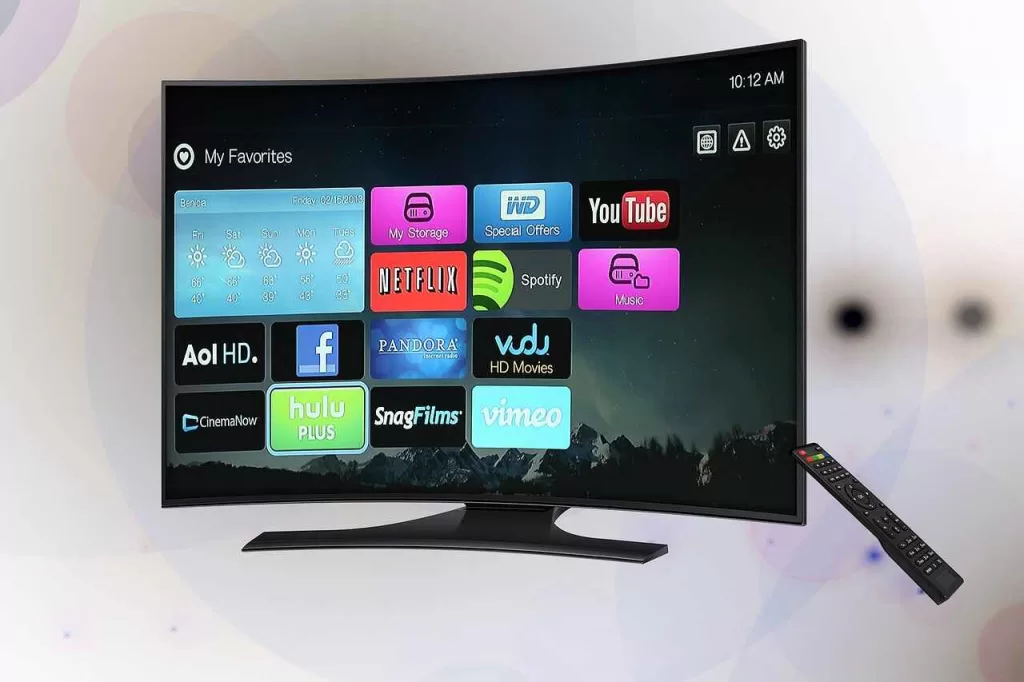
The Rise of Connected TV (CTV) in Programmatic Advertising

The Rise of Connected TV (CTV) in Programmatic Advertising The Rise of Connected TV (CTV) in advertising landscape has witnessed the most radical shift in the very recent past by accelerated innovations in technology, as well as alterations in consumer trend. No other change is spectacular than the one seen in Connected TV (CTV) or the integration of CTV into the programmatic way of advertising. With streaming platforms cannibalizing linear television amongst most consumer cohorts, marketers are watching an ever-shifting stream of target audiences through CTV. In this blog, we will explore the rise of CTV, its convergence with programmatic, and why it has become the game-changer in the world of advertising. What is Connected TV? The connected TV is the general term that refers to internet-enabled TVs, which allow users to stream their preferred content through apps and platforms such as Netflix, Hulu, Amazon Prime Video, and YouTube. This is quite different from the linear view that the consumer is not allowed to engage in when using on-demand viewing. In this category fall devices like Roku, Apple TV, Amazon Fire Stick, and smart TVs with internet. Part of an all-inclusive trend that involves much bigger parts, the mode of consumption in media is undergoing a change. The report on this industry has a note of the current position the streaming services are getting into: huge viewership moments, and hopefully progresses with no clear timeline from here. What is Programmatic Advertising? Programmatic allows for the automated buying and selling of ad inventories available within digital outlets, taking advantage of vast pools of information that are currently being balanced by some algorithms and then allocated toward the right audiences at any point in time. Programmatic, indeed, has changed digital marketing. This now opens the chance of providing data-driven, personal ads to the viewers as the programmatic ad is merged with CTV. The union of technology and media has opened its doors for brands to engage the consumers through this rapidly changing digital ecosystem. The emergence of CTV in Advertising 1.This is possible through the decrease in traditional TV The major reason for the rise of CTV is the trend of “cord-cutting” in traditional cable and satellite TV subscriptions. Younger audiences appreciate the flexibility and on-demand nature of the streaming services. According to the studies, in 2023, more than 70% of the U.S. households have at least one CTV device, and the world is catching up with it. 2.More Content Choices This has revolutionized the delivery of content because one can stream thousands of shows, movies, and live events on his/her platform depending on different interests. Even higher content availability continues to spur CTV adoption. 3.Better Measurement and Targeting CTV provides better analytics than the traditional model of TV advertising, which only uses broad demographic data. Advertisers can deliver ads in the most relevant form with viewer behavior, preferences, and even geography. 4.Ad-supported Models Hulu, Peacock, and Tubi are OTT options that can enjoy subscription-free or cheap subscriptions in return for a supporting background of ad support. Such a model powers the hands of advertisers who wish to reach more attentive viewers more receptive to a well-targeted message than most. How Programmatic Advertising Empowers CTV This integration of programmatic advertising with that of CTV allows marketers to make use of data-driven strategies while running campaigns more powerfully. Below are some key ways through which programmatic advertising enhances CTV: 1.Data-Driven Targeting Programmatic advertising unlocks millions of sets of data that helps identify the target audience segments. This could be demographics or an interest in something, in terms of viewing behavior, or even purchase behavior. With CTV, this means that ads reach viewers who are most likely to become interested in the content being delivered. 2.Real-Time Bidding (RTB) A multi-scale cost-efficient manner of competitive bargain for ad spots at the difference of milliseconds in time. The advertisers did not have any trouble spending for this quality ad inventory, the merited ad space. CTV suits perfectly to RTB 3.Cross-Device Targeting Therefore, the commercials are leveraged to their smartphones, pads, and pcs. Through programmatic, full and holistic exposure can be manifested. In so doing, messages from multiple contact points are coming together now. 4.Advanced Measurement and Attribution The programmatic platform offers a chance for having advanced analytical tools to measure the campaign performances. Other metrics involve viewability, completion rates, and post-view actions to continue on with continuous optimizations of campaigns. 5.Personalization at Scale Programmatic technology enables advertisers to deliver personalized ad experiences at scale. DAI allows brands to deliver personalized ad creatives to their viewers, relevant and resonating. Benefits of CTV in Programmatic Advertising 1.Better Reach and Engagement Best Reach: With CTV, brands reach out to the relevant audience through multiple streaming services. Moreover, more interactive than linear advertisement, clickable overlay and QR code further increase the engagement that further results in intended action. 2.Cost Efficient The same brand will maximize its budget through the programmatic buy through targeting only the right audiences, thus resulting in lesser wastage, which gives them the highest ROI return. 3.Better User Experience TV commercials are shorter and not as cluttering as traditional ads on regular TV. Therefore, it serves the consumers’ needs without offending the entertainment aspects. 4.More Flexibility Adverts can adjust campaign strategies in time based on emergent changes in market conditions or viewer activities. Flexibility in the digital atmosphere is highly effective. 5.More Control and Transparency The reporting and control that the programmatic platforms offer to the advertisers will affect transparency, ensuring them that data-driven decisions are allowed. Challenges and Considerations All the benefits of CTV and programmatic notwithstanding, it has challenges: 1.Fragmentation The ecosystem continues to feel the crack brought by the emergence of multiple streaming platforms and devices. That means the advertisers will have to ensure consistency in messaging across the channels. 2.Ad Fraud CTV is no exception to ad fraud; it has its problems, like invalid traffic and fraudulent impressions. It cannot avoid investing in good verification tools and trusted partners. 3.Privacy Issues Data-driven


Programmatic Ad Campaign
Programmatic Advertising

Best Practices in the Creation of a Programmatic Ad Campaign

Best Practices in the Creation of a Programmatic Ad Campaign Programmatic advertising is very powerful, and the fast-changing landscape of digital creates an opportunity for marketers to target audiences efficiently and cut costs in ad spending, resulting in dramatic returns in any campaign. With programmatic advertising, ad inventory can be bought automatically and without any interference from humans and purely by data and algorithms. There are some best practices that you have to adopt for getting maximum benefit out of your campaigns. These are the core strategies and practices that people follow for their best possible successful programmatic ad campaigns. 1.Know Your Target Audience Know your target audience. As said, knowing your customer lies at the heart of every great programmatic campaign, gathering all the data which is available regarding your customers, by Demographics: age, gender, income, education Behavioral Data: behavior online, buying patterns, habits of media consumption Geographic Insights: where your target audience lives. Psychographics: values and interests, lifestyles. Customer data analysis via CRM, analytics platforms and DMPs. Customer personas will make you design the ad creatives, messaging and targeting strategy much better. 2.Define Goals and KPIs Clearly Before even using this to you one should define what goal you’re attempting to create and create measurable KPI’s. They can either be; Brand Awareness- Impressions, reach or views. Lead Generation conversions, signups, downloads. Sales- direct sales increases in revenue Engagements. CTR’s also known as click-through rates. Deep in the optimization goes hand in hand with and of course measurement; it requires linking, when getting your KPI into each campaign goal and thus for tracking performance. 3.Leverage Data and Insights Data is the lifeblood of any effective programmatic campaign. Combining first-party and third-party data can help boost the targeting of your audiences. First-Party Data: That is captured from your website, application, and CRM. Very targeted and direct to actual customers Second-Party Data: Partner with trusted platforms or businesses to access its customer database. Third-Party Data: Partner with data providers to access various audience segments by demographics, interest or behavior. Conclusion Step: Leverage historical learnings of your campaign on what works and does not in your strategy 4.Choose the right programmatic platform It is the DSP which actually makes all the difference between success and failure of the campaigns. Among the top-level DSPs, four in sight are: Google Display & Video 360, The Trade Desk, Amazon DSP, and MediaMath. Other selection criteria of the platforms are listed below : Inventory quality : the placement of the ad must be premium Targeting capability : they ought to offer contextual, behavioural, and location-based targeting. Analytics and Reporting : Select those that offer strong analytics capability. Real-Time Optimization: AI and machine learning enable the real-time optimization of a campaign by using platforms. 5.Ad Creatives and Messaging Creativity in ads is what will make it viewed or not, thereby bringing about engagement. The best practices concerning ad creatives are as follows. Personalized Message: DCO delivers dynamic content in this ad, which is personalized with respect to the information gathered pertaining to user data. Good looks Aesthetic Look: A really obvious quality visualization graphic and beautiful videos Strong call to action: The call to actions can easily push people into answering. Mobile-friendly creatives: Make sure all your creatives are responsive and beautiful on each screen. Run different versions of ads to know which one among them really resonates that well to your target audience. 6.Efficiency in Audience Targeting Programmatic Advertising comes with the following types of targeting: Behavioral targeting: It uses past online actions that a user has done. Contextual targeting: Ads appear on content relevant to your message Geotargeting: Target people according to their origin Retargeting: Reaches out to the users that have somehow interacted with your brand Leveraging lookalike audiences to scale into the customers that demonstrate all the characteristics that your old customers could have displayed. 7.Brand Safety This has also become one of the most critical issues that every advertiser must contend with. Brands must, at all times ensure that they avoid all sorts of unwanted irrelevant places where their advertisements are showing, in the following ways. Whitelists-this lists those domains where getting ads posted only on such websites trusted Blacklists: Those are the websites to be avoided to have any ad posted on. Verify tools or platforms for ad placement tracking, such as IAS, DoubleVerify Use contextual targeting so you would avoid unwanted and offending content Brand safety. You will keep your reputation in safe condition, at the same time your campaign will be believable in the people’s mind 8.Optimization for Performance Optimized campaign success. You are in the know with real-time data at every phase of your campaign’s life cycle and will be ready to make adjustments in real-time KPIs: impressions, click-through rates, conversions, ROIs Bids: optimizing a bidding strategy to spend as few dollars as possible without hurting performance Test A/B: test different ad formats, creative, targeting options to see what wins Limit the number of impressions and avoid ad fatigue problem; don’t make a user see too many repeated ads  It will not save much on the budget but, at any price, will ensure that however much is spent on advertisement, it yields the returns envisioned. 9.Cross-Device and Omni-Channel Strategies The same ad can be interacted by a consumer through multiple devices and platforms. Cross-device and omni-channel strategies can be pursued so that seamless end-user experience is achieved during its creation. Cross-Device Targeting: It assumes serving the ad on a computer, mobile phone, tablet and on the connected TVs (CTV) ahead of a user. Omni-Channel Advertising: The video in the social, native, audio and the display ad all fall in the same programmatic methodology. This would mean the same thing for more highly powered campaigns by employing a cross-device and an omnichannel approach 10.AI and Automation The programmatic Advertisements are also quite very friendly as well as based on Artificial Intelligence Advertisement. Avail from the technology using Artificial based intelligence in the following fashion- Real-time bid optimization: AI

Role of AI in Programmatic Advertising AI
Programmatic Advertising

Role of AI in Programmatic Advertising

Role of AI in Programmatic Advertising AI made sectors reach a new dimension of which advertisement is a correct example. With the intricacies which AI develops every second minute, it is truly standing tall at the forefront lines of programmatic advertising therefore making it possible for brands to reach their desired targeted audiences in a more efficient, faster, and intelligent manner. It be it about the advanced targeting or real-time optimization of campaigns, AI-based programmatic advertising is transforming the very nature of consumer-business interaction. What is Programmatic Advertising? It’s about digital ad inventory trade involving the substitution of data and technology for real-time bidding and a traditional manual process. This way, the process allows the advertiser to offer personalized ads to exact audiences through various devices and channels. Programmatic advertising is also important with AI. It involves using data insights, machine learning algorithms, and predictive analytics to strengthen delivery, targeting, and ad performance. With the implementation of AI technologies, it has now made the programmatic advertising world better by automatically managing processes, analyzing huge chunks of data, and also optimizing the campaigns in real time. Here’s how AI infuses into the programmatic advertising: 1.Advanced Audience Targeting AI helps in segmenting the audience at the right level by finding patterns and insights in all data available on various platforms-be it browsing history, demographics, purchase history, or social media activity which can help in reaching the audience at the right time. 2.RTB-Real Time Bidding RTB is that kind of auction process wherein central AI will buy and sell ad inventory in real time. It goes through million data points in just milliseconds to understand whether or not that impression of the ad makes it worth putting the bid for it. It just makes sure that ROI goes back into the impression of investors coming from the investment they have created by the Advertisers. 3.Predictive Analytics Historically and by trend, the AI that makes predictive analysis would give a nod whether any strategy, creative, or any channel can be done better. This will further fortify the strategic placement of the advertisers’ budgets and minimize the probability of bad spending 4.Dynamic Creative Optimization (DCO) DCA by AI allows the personalization of ads to the consumer in real-time. AI will access the data of individual users and it will come only to change the copy of a banner ad and headlines that makes it special for that customer. 5.Campaign Optimization AI tracks how the campaign is performing in real time and keeps adjusting to make outcomes of the best. This includes Adjusting the bids according to the metric of performance Freeze budget towards channels or creative with good performances This is a side where it freezes campaigns from losing out to low performances. 6.Fraud Detection and Prevention The most evil targeting the digital ads whereby all these in total are earning their billions annually in ad fraud. AI will prevent that from happening using an awareness system of suspicious activities such as clicking or impressions using bots. AI detects fraudulent activities and excludes those, thus giving real engagement and ROI to the advertisers. Advantages of AI in Programmatic Advertising It is used in programmatic adverts; therefore, it has achieved a number of efficiencies as well as improvements based on accuracy and effectiveness that are provided. Advantages of AI in Programmatic Advertising It is used in programmatic adverts; therefore, it has achieved a number of efficiencies as well as improvements based on accuracy and effectiveness that are provided. 1.Efficiency AI automates laborious processes such as audience segmentation, ad placement, and performance monitoring. This leaves most of the thinking on strategic and creative thinking to the advertiser instead of laboring through manual tasks. 2.More Accurate Targeting AI can process a huge amount of data. This is sure to make sure that the ad is reaching the most relevant set of people. In turn, wastage on the ad spend is reduced in the face of highest opportunities for conversion. 3.Real-Time Decisions AI works at the speed of light and always keeps spaces free for the real scopes of decision-making and altering them too. Thus, through any change in the behavior by the audience or some trend of the market, instant results would be there coming back from the advertisers. 4.Cost-Effectiveness AI optimizes ad spend because less impression wastage is seen that way results are better in the same budget. It is more valuable for small and medium enterprises also. 5.Personalized User Experiences AI makes ad delivery personally relevant so increase engagement, in fact, the whole customer experience 6.Scalability AI scales the ad pretty well across all these platforms and geographies, keeping it coherent in both performance and messaging on the brand side. Challenges of AI in Programmatic Advertising While AI has numerous advantages, it also brings some challenges: 1.Privacy Issue of Data User-based targeting creates an issue of privacy as advertisers need to be sure that they are in compliance with data regulations such as GDPR and CCPA in order to be sure of the user data received. 2.Quality of Data AI processing needs good quality data, but when the data is of poor or incomplete quality, then targeting would be weak and, hence, suboptimal campaign performance would be expected. 3.Complexity and Learning Curve AI-driven programmatic advertising is not that easy and it requires technical know-how as well as a learning curve. Small businesses cannot work on and run AI-driven campaigns without some external help. 4.Ad Fraud Risks Though AI fights against ad fraud, advanced fraudsters keep coming up with new tricks. As AI goes on advancing further enhancement is required to outwit the fraudulent practices. Future of AI in Programmatic Advertising AI technology will be more deeply integrated with programmatic advertising. Other trends that should be watched for are the following: 1.Voice and Visual Search Integrations Programmatic campaigns can now use AI to tap into voice and visual search data so that the users are targeted straight with their questions as said or through visual mediums.

Small business benefits
Programmatic Advertising

Small Business benefits from programmatic ad buying

Small business benefits from programmatic ad buying The world has become so digital that, today, it changes fast enough to leave little to wish for small enterprises to compete against the giant corporations with their marketing budgets. Now, in this digital world, there comes a game-changer in the form of programmatic advertising that lets small businesses target their desired audience at the right scale. Unlike traditional forms of advertisement, in programmatic advertising, automation is used along with data and technology to present advertisements at the best possible time in front of the right people across a range of mediums. We shall see, in this blog, the advantages of programmatic advertising for small businesses and how it can be utilized to drive growth and success. What is Programmatic Advertising? Programmatic advertising was only the automated, real time buying and selling of the inventory of digital ad. With the fact that it determines where, when, and to whom put the ad, this process takes into consideration data-driven algorithms. In this regard, precision in targeting at a more cost-efficient way does not make it so useful in usage for smaller businesses with relatively scarce resources. Advantages of Programmatic Advertising for Small Businesses 1.Cost-Effectiveness of Advertising Programmatic advertising is very advantageous for small businesses because of cost-effectiveness. RTB in the programmatic platform allows real-time competition in an auction for not over-invested ad space, which ensures that ROI is maximized by ensuring that impressions reach the targeted audience at a cost payable only to the small business. It can avoid other manual processes connected to traditional ad buying so administrative costs are not incurred, and resources free up for strategy and creativity. 2.Accuracy in Targeting The targeting could be very specific towards small businesses on demography, interest, and online behavior etc. Therefore programmatic advertising can truly execute better in serving hyper-targeted ads towards the specific audience segments. Some advanced targeting options are as under: Contextual Targeting: These target adverts which have some affiliation to the website or application that somehow relates to your business Behavioral Targeting: This aims at the people who have at some point in the past, interacted with your advert or content concerning this aspect in your business Geo-Targeting: To the small players in businesses, they will realize what it entails as it primarily bases its concentration on location Lookalike Audiences: It identifies customers who are somehow very similar to the ones presently onboard in the business. Hence, if this is the level of precision, then it goes ahead to assume that small business players will throw all their ad budget that they can afford to expend, all targeted at the highest potential converter. 3.Real-time Analysis and Optimization Another good feature of programmatic advertisement is that it can deliver real-time analytics. Small businesses will be able to know how their campaigns are running through metrics like click-through rates, conversions, cost per click, return on ad spend among other analytics. This data will allow small businesses to make a better decision by changing their advertisement campaign to reach the appropriate level of marketing. If the creative work of the advertisement is not doing great business, it will be easier to replace by middle runs. Flexibility in that context is such a key to winning between small and medium-sized competitive businesses when in high speed markets. 4.Wider Channel Network Availability The good thing is that programmatic advertising does not restrict small businesses to one platform and format. They can roll out their ads on different channels, including the following: Display Ads: These are banner advertisements which come up on any website or mobile applications. Video Ads: These are engaging advertisements coming up on sites like YouTube and associated TVs. Native Ads: The native ads are inclusions with the content itself on any given website. Audio Ads: Audio ads play out in audio streaming services as well as podcasts. Social media – Facebook, Instagram and LinkedIn all have options to serve programmatic campaigns. This multichannel approach enables the small business to speak with its target audience where they spend most time-so, for one thing, a brand experience is much more uniform and consistent. 5.Personalization at Scale Those are going to resonate and connect with the commercials that would actually feel highly relevant and custom for every consumer. Through programmatic, small-scale businesses get a chance to facilitate such very highly customized message communications using user data. Dynamic Creative Optimization takes this personalization to the higher levels because it auto-personalizes the entire content, like images, headlines, and calls to actions to every individual user in real time. For example, a neighborhood bakery can hang seasonal treats for locals, but still offer catering services to entrepreneurs. Such local context can greatly enhance engagement and conversion rates. 6.Efficiency Gained with Automation For small business owners, time is money. Programmatic advertising automates much of the process of buying ads, including: TargetingBiddingPlacement All these automations work with the least interference or wastage of time to help free the hands of a business owner for being at hand to take care of any urgent kind of requirements. Besides, real-time optimization also occurs here just to optimize performance for a particular campaign without just staying idle and keeping watch over everything. 7.Scalability and Flexibility Programmatic enables small businesses to start with extremely small budgets, and as the business grows, this business can be scaled. Campaigns could easily be altered depending on changing goals, seasonality, or whatever audience behavior is in vogue. This would help small businesses remain agile and responsive in this dynamic marketplace. 8.Leveling the playing field Small businesses will never be able to compete in the market since they do not have that much fund or budget and resources in advertising. The programmatic level does level the playing field because now they have a chance to access those high-tech tools and technologies that even the big brands weren’t able to during other times. With programmatic, small businesses will be able to effectively target niche audiences, compete for high-value ad placements,

Build a Programmatic Advertising Strategy
Programmatic Advertising

How to Build a Programmatic Advertising Strategy?

How to Build a Programmatic Advertising Strategy: Tips for Success in 2025 This is the world where programmatic advertising appears to revolutionize digital marketing, in which brands reach their targeted audience more efficiently, are better on efficiency, targeting and data, and in any terms, really. So, so far it appears that the trend hasn’t come out with some different results yet for this year, again because since turning the calendar over to 2025 business results via programmatic ad never quite larger. Obviously, there are great programmatic advertising strategies and just requires pretty much bit of transparent view of the technological, trends and practices make space something really quite amazing. So, let’s dive in to how one might build a winning programmatic advertising strategy for 2025 and what actionable tips it can have for success in this blog. So, what is programmatic advertising? This type of advertisement, unlike the rest that involve algorithms and data to figure out what ads a particular audience is due at any particular time, has the uniqueness of automatically doing its selling and buying in real-time through a process known as real-time bidding, therefore ensuring that campaigns are not only cost-effective but laser focused on desired outcomes. It offers immense scope to programmatic advertisements, including several formats and types of medias such as, particularly; display ads, video advertisement, and native advertisements.                Connected TV and Over – the – Top advertisement                Audio advertisement                Mobile advertising.                Precision targeting with automation; that blood for any modern approach in marketing Why Programmatic Advertising Must Be Used in 2025? 2025 awaits in the door, and advertising came at breakneck speeds. Here are a few reasons why programmatic advertising will be a must: Data is growing up: With AI and big data, marketers can fetch granular audience insights. Programmatic advertising uses those insights to target users on their behavior, preferences, and demographics. Omnichannel opportunities: This programmatic ad brings to the brand seamless and consistent experiences from smart TVs to mobile applications on behalf of consumers who are accessing multiple devices and platforms content. Automation assists in the elimination of labor-time-consuming processes so that the buying of ad campaigns gets appropriately managed in terms of no wastage of spend. Personalized at a mass scale: Even though it can serve enormous audiences with customized ads at gigantic levels, through programmatic ads, the more relevance received, the more engaging and converting it becomes. Future Technologies: Development through artificial intelligence, blockchain, and machine learning brings efficiency and transparency to the digital advertisement program. Perhaps it could be the absolute necessity in the year 2025. Steps to Build Programmatic Advertising Strategy in 2025 To have an excellent programmatic advertising campaign requires planning, execution, and optimization. The steps will guide you: 1.Define your objectives Come to a clear understanding of the objects for your campaign before going ahead and venturing into a programmatic advertising. They may include brand awareness, creating website traffic, generating leads, improving sales growth, as well as customer retention improvement. Be specific and set measurable goals using the Key Performance Indicators, or KPIs. For example, if your goal was to increase hits on the website for 50,000 visitors by three months, then KPI is a success. 2. Understand Your Customer All successes of an advertisement depend on the understanding of who your customer is. Use tools such as Google Analytics, social media insights, and CRM information by: Identification of demographics: age, gender, location, and income Psychographic knowledge: interests, behaviors, pain points Segment your target audience appropriately to personalize targeting 3.Choosing Right Programmatic Platform There are hundreds of DSPs, each with their special strengths. Among the top leaders of DSPs, one finds the following: Google Display & Video 360 The Trade Desk Amazon Advertising MediaMath AdRoll Choose a DSP that best fits your campaign objectives, budget, and ad formats. Most of the ones above have detailed targeting, artificial intelligence -based optimization and real time analytics. 4.Polish First-Party Data By 2025, First party data will form the crux of programmatic advertising plans. It’s that information regarding your audience through site interaction, apps, CRM data, etc. How to use First Party Data Strategically Design a healthy collection process Use use-of-consent management tools with proper support over privacy laws, like GDPR and CCPA Use first-party data when integrating your DSP for more targeted ad impressions. 5.Creative Assets Creative Assets Creation What catches their eyeball is your ad creative. And the importance of creativity over 2025 means that there will be a need for creativeness to get out there first off. Focus areas: Visual attention: Lovely video and animations keep eyes of viewers active for a long time. Message: Message should be short, crispy, Interesting for target group End Personalization: Use DCO to personalize an ad for each user 6.Most Advanced Targeting Abilities Programmatic advertising is having most advanced targeting abilities ever. In year 2025, it can be utilized in following ways, Contextual Targeting: Serving based on the content found on a web-page or an application Behavioral Targeting: Showing on the basis of some behavior which users have previously demonstrated from their online activity Geo-Targeting: Targeting specific geo locations and geographies Look-a-Like Audiences: Identifying who seems to be your most relevant customer 7.Omni Channel Campaigns Omnichannel is the way to access a larger audience than before. Through Programmatic advertisement you can now send across adverts through the following channels- Websites Mobile apps Social media platforms Television connected (CTV) Radio digital channels, such as podcast or music streaming apps 8.Measuring and Optimizing Campaign Performance Programmatic ads do not work on the “set it and forget it” premise. Monitor your campaigns frequently and track what is working and what isn’t. What to watch for: Impressions CTR Conversion rate CPA ROAS Take these learnings and fine-tune your targeting, creative, and bidding strategy to deliver better performance. 9.Privacy Laws In 2025, data privacy will be

Scroll to Top