
Author name: Niutux

How to Turn Followers into Loyal Customers
Digital Marketing

How to Turn Followers into Loyal Customers

How to Turn Followers into Loyal Customers Having many followers in your social media networks or email list is a big plus for business people in this world of technology. But it is not some overnight magic by which these followers can become regular customers. Thus, the article demands strategic approaches elaborating the actionable tips and strategies to achieve long-term relationships building with the target audience in such a manner that it adds up to increased revenue and helps build customer loyalty. Why the Loyal Customer Matters For any business that happens to be truly successful, their customers are everything. A new study has indeed shown that an existing customer, on average spends 67 percent more than some new customer and also loves speaking about the companies, making him an unofficial spokesperson for the brands. Loyalty from followers thus cannot be considered an option, but a necessary requirement for the steady and sustainable growth. Step 1: Know Your Audience Massive market research Know whom they represent and what makes their followers turn into clients. One must begin through massive market research involving their demographics, preferences, problems, and tendencies. Typically, data can be found within tools like Google Analytics, Surveys, and your social media. Develop In-Detail Buyer Personas But first, once you have collected your data, then you will actually start creating those perfect buyer personas and will eventually start creating content and curating and displaying products or services that exactly fits their needs. Pro Tip: Update those personas as soon as you find out new information about your audience   Step 2: Building Trust with Your Audience- Value content Content is the king to build trust. Share educational, entertaining, or inspiring content they value most. Blog posts, videos, webinars, and podcasts are great tools for interacting with your audience. Show Authenticity Be transparent and authentic while reaching out to them. Share the behind-the-scenes, customer success stories, and business challenges as well. Authenticity makes a brand more human, thus closing the gap shared between them and their audience. Social Proof Trust other people. Testimonials, reviews, and case studies may be used as proof of credibility. User-generated content may be a good tool for trust and authenticity as well.   Step 3: Engage Consistently Social Media Engagement Social media goes both ways. It is a must to interact with your followers through comments, messages, and mentions. Q&A sessions, live streams, and polls may take it even further in creating engagement. Tailor Your Message Make the messages personalized so that they feel valued. Put names in the emails; make recommendations based on their tastes and preferences and write thank you notes that are tailored to their specific names. Create Community Create a community for your brand, ensuring people interact with other followers other than just with you. The method is usually in the form of Facebook groups, forums, or membership platforms.   Step 4: Price Outstanding Deals Special Deals Reward your followers by offering them a discount, pre-access to the new product lines, or providing free resources that make them feel special and loved. Quality always comes first, and never ever compromise on that. Great quality not only gives satisfaction but it also encourages your customers to revisit. Surpass expectations. It can be faster shipping, a free bonus, or just great customer service, but going the extra mile will make a casual follower a loyal customer.   Step 5: Make Buying Easy Optimize Your Website Your website needs to be easy to navigate, fast-loading, and mobile-friendly. Ensure that the checkout process is simple and secure. Use Retargeting Ads Not every person who has followed your store will buy from your store at first visit. Retarget them with your products or services, reminding them to buy. It will increase conversions. Offer Diverse Payment Methods Ensure to give your audience their preference with credit cards, digital wallets, or even the ‘buy-now-and-pay-later’ option.   Step 6: After Sale Nurture Connections Follow up After a customer buys from you, send them an email saying thanks for buying and information, for instance, about how to use a product or recommend something. Ask for Feedback This is appreciation to your customers, and your advice may improve offers or help deal with concerns. Introduce a Loyalty Program Offer loyalty program that helps customers earn points or rewards every time they return to make another purchase. That encourages them to keep coming back.   Step 7: Track and Adjust Track Key Metrics Use analytics to track such key metrics, including customer retention rate, repeat purchase rate, and customer lifetime value. It will keep reminding you to continue monitoring the performance of your strategy. Stay Updated As digital trends evolve, try and keep up-to-date with emerging trends and refresh your strategy by aligning itself with the other competitors.


Basics of Multi-Camera Editing
Video Editing

The Basics of Multi-Camera Editing

The Basics of Multi-Camera Editing The most basic video editing technique that is adopted by television, film, live events, and corporate video productions around the world is multi-camera editing. Understanding the basics of multi-camera editing enhances the editing of a concert or a talk show, a wedding video, among others. Here is the basic understanding, tools, and techniques needed for this discipline. What is Multi-Camera Editing? Multi-camera editing is recording a scene or action using more than one camera, synchronizing, and then editing the captured footage. It is also used when the need for the same event or scene to be recorded from various angles arises. For example, A concert would include close-up shots of musicians, wide shots of the stage, and reactions from the audience. It might include close-up shots of the host, reaction shots of the guest, and even a wide-angle view of both. There would probably be shots of how the bride and groom are responding in a wedding video, general wide shots of the ceremony happening, and possibly close-up and detailed shots of the decorations involved. This will easily switch in between each of these views for it to create the most dynamic product at the end. Advantages of Multi-Camera Editing Efficiency: Such multiple-camera editing software won’t need to line up and cut between angles on the cameras which can save hours of work. Giving it a certain depth and emotion that a scene carries, and let’s you tell a richer story. Professional quality: A seamless angle transition gives it that great polished look of the cinema. Flexibility: Editors have many options of footage to choose from, which makes it easier to be flexible with the creative or technical needs. Important Tools for Multi-Camera Editing You must have video editing software that allows multi-camera editing to start working on multi-camera editing. The most popular versions include: 1.Adobe Premiere Pro Highly developed multi-camera tools in Adobe Premiere Pro means that users can synchronize footage either by using time code, audio waveforms or manually. So, its user interface is quite smooth and loved by professionals. 2.Final Cut Pro Apple’s Final Cut Pro also offers multi-camera editing with automatic sync and real-time angle change. 3.DaVinci Resolve This software is extremely popular for color grading and supports multi-camera editing, so it is also a good editor. 4.Avid Media Composer Avid is the leader in film and television production, and this company provides advanced multi-camera editing features to large-scale productions. 5.Sony Vegas Pro Another good option is Sony Vegas Pro, which has user-friendly multi-camera editing tools ideal for beginners as well as professionals. Steps to Master Multi-Camera Editing Step 1: Plan Your Shoot The shoot lays the foundation of a successful multi-camera edit. Here are some things to note: Use similar cameras: For the most part, use identical cameras and ensure that the settings are all exactly the same from one camera to another to preserve quality and the color grade of video Sync settings: Cameras have frame rate, resolution, white balance and all those features are nearly set alike Time code synchronization: Time code locks all your footage when recording on location. Clap or Slate: Clap or a slate at the head of every recording will do just fine for later synchronization. Step 2. Import and organize the footage Import all your varied footages once you have assembled them. Save your files in the order of camera angles or scenes, and you should structure these in an arrangement that would ease cutting. There are provisions about the right nomenclature convention and metadata so you do not waste time when cutting the footages. Step 3: Sync Footage Multi-camera editing is a technique based on syncing footage. Here are a few common ways to do so:. Time code: If your cameras are recording timecode, you can sync the footage automatically. Audio Waveforms: Most editing software can analyze audio tracks from various cameras and synchronize them based on waveforms. Manual Synchronization: You can also sync the video or audio markers of your clips by aligning them by some sort of common marker like clap or flash in case you did not use above methods. Step 4: Multi-Camera Sequence Create a multi-camera sequence in the editing software where you matched up the clips. This lets you cut between angles in real-time from one timeline. Step 5: Let’s Begin to Edit Multi-camera editing workflow differs from every other type of editing. Therefore, here’s what you will do: Preview All Angles: You go through footage of the other camera angles, picking on the best of yours. Switching in Real-Time: You’d preview your video playback within a multi-camera edit mode of the software and change angles either with click or via keyboard shortcuts. Refine Transitions: When you pass the second time through, review your cuts to make sure you are refining transitions so that the edit is smooth. Step 6: Effects and Adjustments Now that you have done your basic edits, let’s add effects and adjustments: Color Grading: Ensure that there is consistent color in all the angles. Audio mixing: balance all your audio levels as well as synch all external audio tracks. Graphics and titles: Lower thirds, transitions, graphics elements. Step 7: Export Final Product Save your edited file in the correct format to it and at suitable resolution. Then test on other devices for the quality and compatibility. Some Tips on Effectively Using Multi-Camera Editing Cut on Action: Change angles where action is involved, so one would be carried on. Shoot reaction shots along with the interviews or conversations as much as needed. Use of Wide Shots Rare: The wide shots are setting shots. If wide shots are heavily used, that may look somewhat static. The usage of all close-up shots, medium shot and wide should be balanced accordingly. Think about the Audience: Reflect on what kind of emotions or reactions you would want to elicit from your viewers for each angle. Keyboard Shortcuts: Learn your editing software keyboard shortcuts. That is the shortcut

click-worthy social media ads
Digital Marketing

How to Write Click-Worthy Social Media Ads

How to Write Click-Worthy Social Media Ads Social media advertising is one of the integral functions of business outreach and engagement. With millions of ads fighting for eyeballs on platforms such as Facebook, Instagram, LinkedIn, and TikTok, writing effective ads that get noticed is truly a task of its own kind. The art of writing click-worthy social media ads is creative in nature and is strategically made from an understanding of your audience. All these guide you through the essential elements in making an ad that does not stop at capturing eyeballs but creating action. Why Click-Worthy Ads Matter Click-worthy ads are the gateway to more engagement, superior conversion, and increased return on investment (ROI). Here’s why it’s critical to have click-worthy ads: More Traffic: Eye-catching ads get people to visit your website or landing page. More Engagement: The effective advertisement copy creates curiosity and promotes likes, shares, and comments. Better Conversion: Once an ad catches your audience’s interest, there is a good possibility of converting leads to actions through signups of newsletters, buying a product or service, and app downloads, among others. Brand Remindness: It is in an advertisement where brands become fresh on the audience’s mind and remember it over a long period of time. Must-Be Characteristics of an Influential Click for Social Media Advert 1.Know Your Target Audience Knowing who you advertise to is usually the starting point of every effective ad campaign. Research should go in depth. Understand your target audience by “digging” up on which of the following: Demographic Age and gender, income level, as well as area Psychographics Interest, hobby, value orientation, and type of behavior Pain point What specific problems are facing your target, and how a product or service can help that The more you know about your target audience, the better you will be able to tailor the messaging. 2.Headline The headline is what the users first notice in your ad. It should be catchy, short, and relevant. Here are some tips: Use numbers: “5 Tips to Boost Your Productivity.” Ask questions: “Struggling to Save Money?” Create urgency: “Limited Time Offer – Shop Now!” Highlight benefits: “Get Glowing Skin in Just 7 Days.” 3.Strong Visuals Excellent visual content can form a significant portion of the social media ad. Catchy images, videos, or graphics may arrest the scrolling of users and make them engrossed with your ad. Some of the strategies to include are as follows: Quality visuals that represent your brand Visuals featuring people make more emotional and relatable. Bold colors and contrasts increase eye appeal. You can test video content as it generally does better than images. 4.Compelling Ad Copy Your ad copy should support visuals and drive conversion. Here is how to do this best: Use few words in your message that are clear-cut and concise Use simple vocabulary: No need for jargons, hence use conversational tone and language Identify benefits: Explain how your solution solves a specific problem or serves a particular use Use some social proof: Use word-of-mouth opinions, reviews or statistics to back up your story. Engage emotions: Reach out to your audience on a deeper level by tapping into their desires or fears. 5.Clear Call-to-Action (CTA) A good CTA is important to drive clicks. Make it clear, specific, and action-oriented. Examples include: “Shop Now” “Learn More” “Sign Up Today” “Download the App” “Claim Your Free Trial” Place your CTA where it is visible in the ad and aligns with the objective of your campaign. 6.Ad Formats and Features Every social media platform has its own specific ad format and features. Use the best fit for your purpose and target audience: Carousel Ads: Promote multiple products or features in a single ad. Stories Ads: Full-screen, vertical ads that are available on platforms like Instagram and Snapchat. Video Ads: Share your brand story or your product in use. Lead Ads: Collect information from users straight within the network. Interactive Ads: Use surveys, quizzes, or augmented reality parts to include engagement. 7.Mobile First Because most access most social networks from mobile, your ads ought to be nice with mobile too: Use landscape or square-sized images to increase more screen real estate. Make your text readable even at a much smaller font size. Use the best loading speed to ensure smooth consumer experiences. 8.Test and Experiment Apply A/B tests to discover which of the variables given works the best. Try other headlines, images, CTAs, ad sizes, and targeted audience groups: Analyze performance metrics like CTR, conversion rates, and engagement to improve your strategy. Tips for Writing Platform-Specific Ads Facebook and Instagram Storytelling and visual appeal should be the focus. The headline must be short but impactful. Add personality using emojis. Long Copy: Use the “Learn More” button for more ad copy. Twitter Be short, for it has the character limit Use hashtags for more views Use statistics or data to lend credibility End with a curiosity that encourages people to retweet. LinkedIn Use a professional tone to speak to the career-minded audience. Speak about career benefits or industry insights Use LinkedIn lead generation forms when running B2B campaigns. Use case studies or whitepapers. TikTok Ads must be funny, creative, and authentic Use trending sounds and challenges for more engagement. Add text overlays for quick messaging. Short-form videos with a hook in the first few seconds. Pinterest Visual content Description with keywords for better discoverability DIY projects, tutorials, or inspirational ideas Use callouts such as “Step-by-Step Guide” or “Try This Recipe.” Common Mistakes to Avoid Too Salesy: Don’t sell hard; give value. Audience Insights Ignorance: Avoid generic messaging that doesn’t resonate. Overcrowding of the Ad: Overloading your ad with too much text or visuals can confuse users. Weak CTAs: A weak or missing CTA can lower click-through rates. Missing Testing: Not testing your ads can miss the opportunity for optimization. Tools to Improve Your Ad Copy: Use these tools to craft better social media ads: Canva: To make professional graphics. BuzzSumo: To find what’s trending and get ideas on

Rise of Connected TV
Programmatic Advertising

The Rise of Connected TV (CTV) in Programmatic Advertising

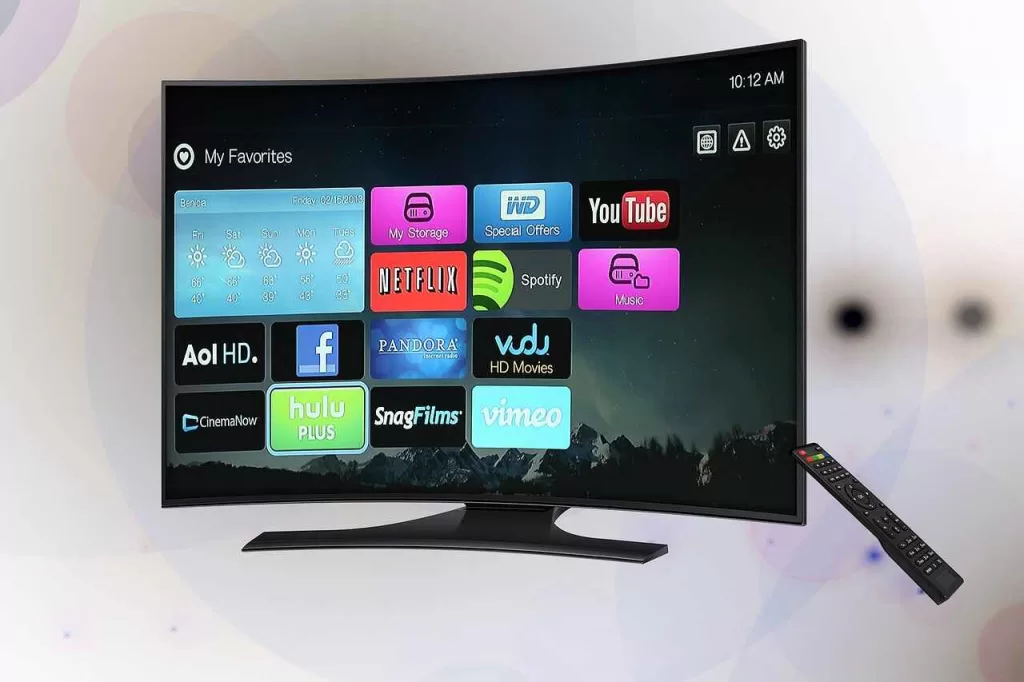
The Rise of Connected TV (CTV) in Programmatic Advertising The Rise of Connected TV (CTV) in advertising landscape has witnessed the most radical shift in the very recent past by accelerated innovations in technology, as well as alterations in consumer trend. No other change is spectacular than the one seen in Connected TV (CTV) or the integration of CTV into the programmatic way of advertising. With streaming platforms cannibalizing linear television amongst most consumer cohorts, marketers are watching an ever-shifting stream of target audiences through CTV. In this blog, we will explore the rise of CTV, its convergence with programmatic, and why it has become the game-changer in the world of advertising. What is Connected TV? The connected TV is the general term that refers to internet-enabled TVs, which allow users to stream their preferred content through apps and platforms such as Netflix, Hulu, Amazon Prime Video, and YouTube. This is quite different from the linear view that the consumer is not allowed to engage in when using on-demand viewing. In this category fall devices like Roku, Apple TV, Amazon Fire Stick, and smart TVs with internet. Part of an all-inclusive trend that involves much bigger parts, the mode of consumption in media is undergoing a change. The report on this industry has a note of the current position the streaming services are getting into: huge viewership moments, and hopefully progresses with no clear timeline from here. What is Programmatic Advertising? Programmatic allows for the automated buying and selling of ad inventories available within digital outlets, taking advantage of vast pools of information that are currently being balanced by some algorithms and then allocated toward the right audiences at any point in time. Programmatic, indeed, has changed digital marketing. This now opens the chance of providing data-driven, personal ads to the viewers as the programmatic ad is merged with CTV. The union of technology and media has opened its doors for brands to engage the consumers through this rapidly changing digital ecosystem. The emergence of CTV in Advertising 1.This is possible through the decrease in traditional TV The major reason for the rise of CTV is the trend of “cord-cutting” in traditional cable and satellite TV subscriptions. Younger audiences appreciate the flexibility and on-demand nature of the streaming services. According to the studies, in 2023, more than 70% of the U.S. households have at least one CTV device, and the world is catching up with it. 2.More Content Choices This has revolutionized the delivery of content because one can stream thousands of shows, movies, and live events on his/her platform depending on different interests. Even higher content availability continues to spur CTV adoption. 3.Better Measurement and Targeting CTV provides better analytics than the traditional model of TV advertising, which only uses broad demographic data. Advertisers can deliver ads in the most relevant form with viewer behavior, preferences, and even geography. 4.Ad-supported Models Hulu, Peacock, and Tubi are OTT options that can enjoy subscription-free or cheap subscriptions in return for a supporting background of ad support. Such a model powers the hands of advertisers who wish to reach more attentive viewers more receptive to a well-targeted message than most. How Programmatic Advertising Empowers CTV This integration of programmatic advertising with that of CTV allows marketers to make use of data-driven strategies while running campaigns more powerfully. Below are some key ways through which programmatic advertising enhances CTV: 1.Data-Driven Targeting Programmatic advertising unlocks millions of sets of data that helps identify the target audience segments. This could be demographics or an interest in something, in terms of viewing behavior, or even purchase behavior. With CTV, this means that ads reach viewers who are most likely to become interested in the content being delivered. 2.Real-Time Bidding (RTB) A multi-scale cost-efficient manner of competitive bargain for ad spots at the difference of milliseconds in time. The advertisers did not have any trouble spending for this quality ad inventory, the merited ad space. CTV suits perfectly to RTB 3.Cross-Device Targeting Therefore, the commercials are leveraged to their smartphones, pads, and pcs. Through programmatic, full and holistic exposure can be manifested. In so doing, messages from multiple contact points are coming together now. 4.Advanced Measurement and Attribution The programmatic platform offers a chance for having advanced analytical tools to measure the campaign performances. Other metrics involve viewability, completion rates, and post-view actions to continue on with continuous optimizations of campaigns. 5.Personalization at Scale Programmatic technology enables advertisers to deliver personalized ad experiences at scale. DAI allows brands to deliver personalized ad creatives to their viewers, relevant and resonating. Benefits of CTV in Programmatic Advertising 1.Better Reach and Engagement Best Reach: With CTV, brands reach out to the relevant audience through multiple streaming services. Moreover, more interactive than linear advertisement, clickable overlay and QR code further increase the engagement that further results in intended action. 2.Cost Efficient The same brand will maximize its budget through the programmatic buy through targeting only the right audiences, thus resulting in lesser wastage, which gives them the highest ROI return. 3.Better User Experience TV commercials are shorter and not as cluttering as traditional ads on regular TV. Therefore, it serves the consumers’ needs without offending the entertainment aspects. 4.More Flexibility Adverts can adjust campaign strategies in time based on emergent changes in market conditions or viewer activities. Flexibility in the digital atmosphere is highly effective. 5.More Control and Transparency The reporting and control that the programmatic platforms offer to the advertisers will affect transparency, ensuring them that data-driven decisions are allowed. Challenges and Considerations All the benefits of CTV and programmatic notwithstanding, it has challenges: 1.Fragmentation The ecosystem continues to feel the crack brought by the emergence of multiple streaming platforms and devices. That means the advertisers will have to ensure consistency in messaging across the channels. 2.Ad Fraud CTV is no exception to ad fraud; it has its problems, like invalid traffic and fraudulent impressions. It cannot avoid investing in good verification tools and trusted partners. 3.Privacy Issues Data-driven

Top 10 Ecommerce Strategies
Digital Marketing

Top 10 Ecommerce Strategies in 2025

Top 10 Ecommerce Strategies in 2025 Ecommerce is growing as never before, and 2025 is no exception. With every advanced technology and with the growing expectation of the consumer, businesses will have to either adapt or perish in this world where survival is everything. Here are the top 10 ecommerce strategies that will keep you in the curve while maximizing the growth potential. 1.Personalization at Scale Customers in 2025 will be looking for very personalized shopping experiences. Personalization is more than using a customer’s first name in an email; it means understanding his preferences, browsing behavior, and purchase history to curate experiences at every touch point. Winning loyalty will come through AI-driven recommendation engines, dynamic content delivery, and personalized promotions. How to Do It: Use AI tools like predictive analytics to forecast customer needs. Dynamic content on your web pages and your mail to update as per the preference of each individual Invest in a CDP to bring all your data from multichannel sources centrally under one roof 2.Omnichannel Smooth Integration Now the consumer wants all of it to be seamless-that it must shift from viewing on a mobile phone to coming into an actual physical store or even the way of communication with the customer service. Omnichannel strategies assure that the brand is omnipresent and available at every step. Implementation Sync real-time inventory of online and offline stores Buy online, pick up in-store (BOPIS) return in-store It will experience physical and digital through QR codes 3.Sustainability as Core Value Business no more option but part of sustainable is due to by 2025 onwards and later on captivated will be demanding even the being a green consumer towards that company on ethics in their sourcing and sustainability packaging as well as regarding the transparent attitude towards its business. How to Do It: This business deals more with sustainability at the level of supplier end. Reduce packaging litter. Do not use paper or non-biodegradable material whatsoever in packaging the product. Your commitment to sustainability will thus be on product description pages as well as campaigning for the product. 4.Convenience on Mobile for purchasing All sales of the 2025 e-commerce business will be through mobile commerce. Therefore, there must be optimizing mobile-readiness both on the website and for its visitors, in addition to having all mobile capabilities like PWA, voice search, etc. Respondent design in a manner so that using it for usability by any kind of device happens flawlessly App creation with smooth navigation and individual offers. Implementation of mobile wallet like Apple Pay, Google Pay, digital wallets among others. 5.Voice Commerce and Conversational AI Voice commerce will be the game changer for online shopping. In the coming year, 2025, people will search for and order products much more by voice assistant devices such as Alexa, Google Assistant, and Siri. This also boosts up the customer care and interaction level. How to Do It: Optimize the description and metadata of a product to rank well for voice searches Build Alexa and Google Assistant skills for your store. Implement chatbots and virtual assistants which can offer real-time support to the customers. 6.Artificial Intelligence and Machine Learning Ecommerce lives by the revolutionary power of AI and machine learning. They are offering insights and automation which can help a business to grow. Whether it is managing the stock or creating campaigns as per the needs of individual customers, AI helps businesses be more smart and productive. How to Implement: Apply AI for the analysis of your customer data to predict what is in his or her mind to help. Automate the drudgery of inventory management and tracking orders Connect AI-based products for fraud prevention and risk management 7.Social Commerce Supremacy With Instagram, TikTok, and Pinterest now giant ecommerce platforms, you have an even better chance of tapping into an even larger audience and push impulse purchases through shopping experiences natively integrated into these networks. How to Leverage: Use shoppable posts and product tags on social media. Collaborate with influencers to amplify reach. Create shareable content that features videos and tutorials that the users will be encouraged to share them 8.Subscription-based models Subscription is one of the best means in developing customer loyalty and ensuring predictable revenue. Consumers of 2025 would appreciate convenience and value by having things on subscription. How To Apply: Give percentage discount on subscription-based repeating orders Give added-value services like advance releases on new products or unique access to content. Take subscription analytics to refine your offering and get better retention. 9.Advanced Analytics in Decision Making Data is the blood and life of e-commerce. Advanced analytics can provide actionability on consumer behavior, sales trends, and even marketing effectiveness. In the year 2025, decision-making will need more and more to be driven by data than ever. How to Leverage: Advanced analytics solutions that integrate into your ecommerce platform. Harness the power of heat maps and A/B testing for optimizing the performance of web pages. Track KPIs such as conversion rate and lifetime value of a customer. 10.Exceptional Customer Experience (CX) Customer Expectations for the future in 2025 Fast delivery Returns hassle-free Support at times Free Shipping or at least speedy shipping must be in place, considering the customer expectations Multiple channels for support should exist, like live chats, email, and even social media ones Constant solicitation of feedback from the customers and improvement in the service in its constant process.

Niutux - B2B social media strategy
Digital Marketing

Guide to a success B2B social media strategy

Absolutely comprehensive building guide to a success B2B social media strategy Social media is certainly not a practice for B2C business firms; however, for the business firms B2B can use a lot by simply making the brands aware of their being on social media so leads are generated. And lastly, that will uplift the sales but structuring an effective B2B social media strategy a little different is not the same to be formulated for the working class. So let’s see how one can structurally frame an effective B2B social media strategy that delivers measured results: Why B2B Social Media Matters Indeed, in the literal meaning of the word, social media becomes an option anymore for any business company B2B. And to be incredible, it says on the pages of research reports: – 75% of buyers seek out a B2B seller via social media 84% percent of C- and VP-level buyers’ decisions are influenced by social media. These figures indicate the role that social media plays in B2B buying. It might be a goldmine for your business if done rightly in the above methods: Authority and trust on the brand Quality leads Establishing rapport with the prospect and the clients Thought leadership for the industry served Market trend and customer preference known Critical Elements of Effective B2B Social Media Strategy Here, the process begins from the company’s business objectives for using social media. Generic objectives what B2B companies will look to gain in a following way are: 1.Brand awareness Drive website traffic Lead generation and lead nurturing Thought leadership Improvement in customer service SMART goals: Specific, measurable, achievable, relevant, and time-bound. Example: “Grow LinkedIn followers by 20% within six months so that it will increase decision-makers’ engagement.” 2.Know Your Audience B2B markets, however are much more fractured and formal. The right message must reach them: Buyer personas: All about the buyer; Know what hurts them-problems they have and what they want. Know where they spend most of their time-be it LinkedIn, Twitter, or a particular forum in the niche. Reach out to your audience through the channels of preference of them for maximum chances of getting significant conversations and conversion. 3.Choosing Right Channels Not all the social media sites are similar when it comes to B2B business marketing. In fact, there are some set of platforms which prove to be way more effective. And here they are: LinkedIn: Possibly the first choice for B2B marketing due to many excellent targeting options and offering a primed-to-engaged audience who are actually interested in anything related to industry insight. Twitter is pretty cool for tracking updates on information. Especially get connected to the discussions happening in that industry. YouTube is pretty great for a demo of the product or a webinar. It even allows things that help one publish his ideas out. Facebook has good community building behind it, but this just isn’t a targeting tool. It kind of works only when looking at B2B activities. Good in Instagram, not so good at manufacturing, design, and technology. Target according to where your audience spends most of their time; give content according to that particular channel. 4.Relevant Content Content forms the body of any social media strategy. In B2B, this happens to be the kind of value education content created according to meeting your target audiences’ wants. It will include: Thought Leadership Articles: Sound like making one an expert by writing original research, case studies, or whitepapers How-to Guides and Tutorials: It is simply to provide step-by-step instructions for the solution of problems common enough to your target audience. Video and Webinar: This is the great way to keep users interested in content which is of visual-centric nature, such as a product demo, an interview of the head of an industry, or even a live Q&A session with customer support. Infographics: Converts complex data into the image form and shares it with others over social networks. User-Generated Content: Share a Testimonials review or a customer success story, for instance, like the smug customer. Keep them fresh on your calendars-they’ll want more.   5. Paid Ads Paid ads cause your message to blow up way faster than organic reach. And this is what B2B social media ads can do for you: Retarget website visitors or users who interacted with your content. Use gated content such as eBooks or webinars for leads. Create your ad campaign with KPIs through cost-per-click or cost-per-lead metrics, so that this campaign can be monitored very conveniently. 6.Engage With Your Audience This social media highway is a two-way street; does not scream. Rather it engages by: Commenting and sending messages Getting into discussions on related matters and tags Share the posts and comment on other people’s brilliant minds’ thoughts about the topic. You are to poll, survey, or even do a Q&A, by the way. Active engagement doesn’t just bring out visibility but works as a trust and credibility factor with your audience. 7.Monitor Performance Monitoring and measuring social media performance is crucial to know what is working and what is not. Some key metrics to track: Engagement Metrics, likes, shares comments, mentions Web Traffic: visitors that came from social media. Lead Generation: form submission, downloads, signups Audience Growth: numbers of follows over time Conversion Rate: leads generated from social media actually getting converted to paying customer You probably track and tweak by using Google Analytics, Hootsuite, or any of the hundreds of native analytics tools. 8.Trending Topics It is day and night on trending topics, ahead of other businesses as it is ahead of times. Some of the new trending topics followings of B2B social media are: Employee Advocacy: Employees share the content and insights of the firm on their personal profiles. Personalized Content: Tailoring messages toward specific audiences of your niche target to engage with your content. AI and Automation: Automate posting by scheduling, chatting on a chatbot, or checking your performances. Short-Form Video: Let your message come alive and be there in real time through reels, TikToks, or YouTube Shorts.

Grow Your LinkedIn Audience
Digital Marketing

How to Grow Your LinkedIn Audience: The Ultimate Guide

How to Grow Your LinkedIn Audience: The Ultimate Guide Not only a professional networking site but also very good source for building the personal brand, generating leads, and spreading out the professional reach. Whether it is a person wanting to establish thought leadership or the intention of a business looking forward to reaching out to prospects, this increase in audience size on LinkedIn will prove to be the gateway to many more opportunities. And here’s how we get into proven strategies that help us grow the audience sustainably on LinkedIn. Why Is Growing Your LinkedIn Audience Important? Before discussing strategies, though, let’s briefly establish why growing your LinkedIn audience is important: Expand Professional Opportunities: The more people in your audience, the greater the likelihood of reaching decision-makers, recruiters, or potential collaborators. Boost Brand Visibility: As a person or business, building a robust LinkedIn presence reinforces your credibility and visibility. Generate Leads: With the proper approach, LinkedIn can become a goldmine for generating leads. Establish Thought Leadership: Rich insights and exciting material to find your place of authority in your domain 1.Optimize Your LinkedIn Profile Your LinkedIn profile is your digital business card. To attract, and especially retain, your audience, it must shine and be engaging. Here’s how to do that: Create a Compelling Headline Your headline is the first thing anyone will read. Use more than your job title, make it interesting and descriptive. Help small businesses grow with strategic digital marketing: content creator and speaker  Use a Professional Profile Photo Profiles with professional photos get 14 times more views. Invest in a quality head shot that reflects your professional personality. About your story: Define areas of expertise and interests, and what would make you different from someone else. End with a call to action, like “Let’s connect to discuss how we can collaborate!” Keyword Optimization Add keywords surrounding your profile so that you would be searchable. Think of terms that your target market would use to find somebody like you. 2.Find your target audience To expand your LinkedIn network, you must know whom to reach out to, and therefore; Who would be interested in linking up with me? What do people in those sectors, what are the roles or the industries they belong in? What challenges do they face, or where can I contribute or make a difference? You curate that content together with the connection request focused on that audience 3.Post good content on regular basis Content forms the backbone for creating an audience on LinkedIn. All of it is about the posting of relevant content and keeping it in people’s heads and motivating them to share as well. Content types to post Industry insights: Share an industry trend, statistic, or news happening. Personal story: A genuine post by your real experiences as they most of times become hits. Edificatory Content: Teach them to teach something they know less than tips, guide with some how to. Interactive Question: Engage their curiosity for any viewpoint and their experience. Adding picture, videos in conjunctions with infographics create post an extraordinaire The force of storytelling Make them relate to your piece for themselves that makes the post achieve its connection to more people most are viewing it, This may be issues already they faced and overcome which gives way to lessons for oneself with struggling. Best Post Times Research study depicts, time to post in LinkedIn: Tuesday, Wednesday Thursday – middle of the week 7-9 AM or 12-2 PM. Those are morning or early afternoon. Try these and see what works best with your audience. 4.Actively Engage with Other People Building an audience goes beyond having content; more to do about the relationship to be built. There has got to be engagement which is the secret sauce of having an audience. Leave a comment on posts. Comment relevantly on connections or industry leader’s posts. This will boost your visibility and relationship. Comment on other’s post   Respond to a comment on your post; this keeps the conversation alive. Connect to Relevant Groups Connect to the relevant LinkedIn groups based on your niche. Share your insight, answer their questions, and connect. 5.Connect to More People The more connected you are, the larger your audience for posting. Here’s how to do it though: Targeted connection requests Never send a connect request in a mass. This should as personalized as you can make it and should explain why you wanted to connect. Example: Connect with Engaged LinkedIn Users Connect with the most active on this platform. The same set of people will be the most active in your content as well.    Use “People You May Know” The best way to find and get connected with professionals in your industry would be through LinkedIn’s recommendations. 6.Use of LinkedIn Features LinkedIn Articles Write long-form articles about anything on LinkedIn, establishes authority, and shares, which will stay on your profile, creating a credible look. Creator Mode Activate creator mode to make your content public with the unlocking of other features like LinkedIn Live and your ability to add hashtags to your profile. Hashtags Share the relevant hashtags for your post. Use 3-5 per post and diversify broad popular ones like #Leadership and niche, for example, #HealthcareMarketing. Polls Create a LinkedIn poll that will be engaged by the conversation. Humans love sharing their thoughts. Write a LinkedIn newsletter to your audience so that they don’t miss receiving the right content regularly. 7.Track and Improve Keep on monitoring, and you will keep on growing in LinkedIn. Use LinkedIn analytics to know how things go on: Engagement Rate: Which are your most liked, commented upon, and shared posts for your lots? Follower Growth: Is the followers growth stable? Audience Demographics: Are you targeting the right people? Using this knowledge helps you to refine your strategy, bet big on what works, and pivot on what does not work. 8.Leverage Others’ Networks The more connected people on LinkedIn will be able to see your posts as well, and thus, reach more potential

Niutux - How to Use Instagram Stories for Business Growth
Digital Marketing

How to Use Instagram Stories for Business Growth

How to Use Instagram Stories for Business Growth 1.Why Use Instagram Stories for Business Extremely Interactive: The stories are interactive, engaging, and disappears in 24 hours hence immediately activates action. Organic Reach: Stories appear at the very top of a follower’s feed. Business Features: Swipe-up links (for accounts that qualify), shopping tags, polls, and call-to-action buttons. Live Connection: Connect with people in a native, real-time way. Pro Tip: Use Instagram Insights to measure impressions, reach, and taps. 2.How to Set Up Instagram Stories for Business You must have a business profile. Stories Tap profile icon or swipe right from the feed of Instagram app home screen Share any picture, video, or graph Reach and invite people with features of a sticker, text, filter, interactivity, and so many others Request an action with posting action call to make them “Swipe up,” “Tap to read more,” or “DM Us.” 3.Innovative Methods to Grow Business by means of Instagram Story 3.1 Inside View of Working Humanize your business, and put out your day-to-day operations, team spotlight or product creation. Take over the office or give the BTS of events 3.2 New Products/Deals Introduce products by introducing sales, secret deals with stories attached. Can be “Swipe up to get 20% discount today only” 3.3 Reaching The Masses Through Interactive Stickers Surveys. Poll followers to vote which out of two products is needed by them. Q/A : Answer questions straight in for customers. Quizzes: Fun trivia about your brand. Sliders: Smile sliders for activities. 3.4 Instagram Story Ads Connect with the target audience right away. Story Ads Tips Bold images and few words Add a CTA button: “Shop Now” or “Learn More.” 3.5 Testimonials and UGC Stories Show the testimonial by posting happy customers’ photos or videos as proof Stories of happy customers that mention your brand name. 3.6 Stories for Tutorials and How-To’s Share step-by-step guides, DIY content, or quick product demos “How to Style Our New Summer Collection.” 3.7 Host Giveaways or Contests Host contests for sometime to buzz and gain new followers CTA: “Share this Story and Tag Us to Enter!” 3.8 Share Live Events and Takeovers Cover live events with your stories or take over an influencer on your account 4 . Four Ways to Get Your Instagram Stories Popping 4.1 Good Images and Videos Make good use of great photos, videos, or graphics from Canva V Tip: Vertical content 1080 x 1920 4.2 Brand Assets Utilize the same fonts, color scheme and logos in your Stories The voice and feel of the brand comes through in character 4.3 Use Hash Tags and Location Tags Hash Tags and geotags make the content discoverable Examples: #SmallBusinessSaturday or geotag a location. 4.4 Clearly Calls them to an Action Engage them to swipe up reply or view your profile. Example: “DM us for more info!” 4.5 Post Often and Regularly Post your stories a number of times a week so that the followers can see them at any time of their convenience. 5.Monitoring How Instagram Stories Do Analyze with the help of Instagram Insights Reach: Who has viewed your Instagram Story? Impressions: Have users opened your Story? Replies and Taps: Individuals who responded to your Stories or tapped links. Exits: People who dropped the watching of your Stories. Use this analytics to more performing content 6.Instagram Stories Highlights: Make Your Content Live Feature the best stories right within your profile Organize them: Customer testimonials How to tutorials Product demos Frequently Asked Questions’ 8.What Not to Do Overpost, flood feed. Aesthetics, lesser. Not Leverage Call-to-Actions. No Monitoring and updating in data.

Niutux - Video Editing Tips for Social Media Content
Video Editing

Video Editing Tips for Social Media Content

Video Editing Tips for Social Media Content Video content was promoted by such giants as Instagram, TikTok, YouTube, Facebook, and LinkedIn that had shown that video could be one heck of an asset not just for your audience but as an excellent source of traffic generation medium and hence becoming one integral means of increasing brand visibility within such a very short period. This means that many people get engaged only when taking shots that are related to the making of super videos than any other video within the feeds hyper-saturated with this form of content. All of it starts with great video editing, to be put first and foremost in terms of sharing polished, professional engaging content through social media. Here is your feasible video tutorial that will allow you to make an awesome, relevant video via social media, which people will connect. 1.Understand your platform and audience There are many social media websites that require varied formats and tastes of individuals in the masses. So with this factor kept in mind, before posting/updating the video, one needs to watch to know which is his/her favorite social media site. Instagram: Short and snappy with sweet visuals- In Reels, stories even in IGTV.   It is vertical orientation or 9: 16 aspect ratio for reels and stories. TikTok: Speed, trending, creative. Those good videos with quick cuts and audio and vertical shot videos also included in this category. Story, pacing, viewership retention for longer versions YouTube  Facebook: Allow short and long-duration videos. Optimize them if they are catchy with the captions for auto-play. LinkedIn: Very informative, very short videos. A very good medium for learning or business-based content.   Pay attention to what the platform requires of length, resolution, and aspect ratio of your video; this will make your content professional-looking and optimize for the intended audience. 2.Grab Their Attention Right Away Basically, all those short attentions while scrolling through people require that hook, right at the start; here is what tips point out in catching viewers on that bat. Start strong: Start with a stronger scene or question or maybe some bold statements. Value: Let viewers know how to give meaning to their time while watching it, either your video. Motion: fast cuts that thrill transitions or animations capture one instant of a person. Text Overlays: use bold text really drive the important points home. This is especially true in auto-play cases where the sound is muted. You communicate value and interest rapidly, and they stay. 3.Bite-Sized Videos For social media, though, the video needs to be shorter than for other applications. Here are some tips on keeping your audience hooked: Editing Ruthlessly: Get rid of unused footage, redundant clips, or slow-motion portions. It Has To Be Concise: One message or call to action per video. It Needs To Have Quick Flow: The video has to action and pace with cut rates, which makes use of the jump cuts and fast cuts technique. Recommended Length TikTok/Instagram Reels: 15-60 seconds Facebook/Instagram Stories: 10-15 seconds per story YouTube: Most social content: 3-10 minutes Cut the chaff and get to the wheat of the message in a few seconds, where the audience will continue paying attention. 4. Captions and subtitles Most of the viewers in social media like viewing with their volumes low, especially while viewing publicly. Caption ensures that the message reaches the audience even while they do not put their volume up or not. Accessibility: The video once captioned is accessible to all users having impairments about hearing. Tools to Use: Such Apps include; adding captions on videos less hassle with the likes of Kapwing, Canva and auto-caption feature from Adobe Premiere Pro. Don’t forget to make your captions readable and synchs up the content with your video; therefore, it will easily become watchable to others too. 5.Apply interesting graphics and transitions The first grounds to which the movie relies, without letting your attention stray aside, plus, which keeps it interesting for a video are its visuals. Some creative editing ideas with an appealing memory to your video are: Smooth transitions: One may achieve that using jump cuts, cross-fades and so on. Motion graphics: Add animated text, overlays, and graphics as an idea of highlighting stressed information. Color Grading: It is beautiful visually and well-complemented by brightening or darkening or even an improvement in contrast that should be enhanced visually Overusing split screens to make some comparative scenes and parallel running scenes There could be overdoing, with a resultant too many effects the viewers end up dizzy and lose the train 6.Mobile-friendly Most video content in the world is now streamed from smartphones. For that high percentage to access your video content, here are some of the best practices: Vertical or Square format: TikTok, Instagram Stories and Reels offers vertical 9:16. Fine 1:1 if your visuals and subject need to be snugly fitted on the screens of Facebook as well as for Instagram feed. Bold and Big Text sizes to be readable clearly again on your small screen too, Centralization: All your mandatory visualization, text or important point in shot must keep properly at the center. Test Playback: Your video editing check in your mobile too to ensure that’s a clear and resolution video which looks good as is for general viewing. Mobile Optimization makes a video nice to watch with fun thrills, and one would want to play with regardless of the screen size. 7.Audio Effects This gives life to a video, and emotionally, people can relate to your message. How to add audio elements to a video. Right Music: This sets mood and tone for your content. Audio and video synced: Action beat in cuts or transitions or key action. Will make that look super well-crafted Usage of SFX: Gentle some point on scenes with POP sounds, swooshes, and clicks etc. Trending audio tracks : Use the trending audio with Tiktok and reels making for what has seen them the most To create the content in which you are going

Programmatic Ad Campaign
Programmatic Advertising

Best Practices in the Creation of a Programmatic Ad Campaign

Best Practices in the Creation of a Programmatic Ad Campaign Programmatic advertising is very powerful, and the fast-changing landscape of digital creates an opportunity for marketers to target audiences efficiently and cut costs in ad spending, resulting in dramatic returns in any campaign. With programmatic advertising, ad inventory can be bought automatically and without any interference from humans and purely by data and algorithms. There are some best practices that you have to adopt for getting maximum benefit out of your campaigns. These are the core strategies and practices that people follow for their best possible successful programmatic ad campaigns. 1.Know Your Target Audience Know your target audience. As said, knowing your customer lies at the heart of every great programmatic campaign, gathering all the data which is available regarding your customers, by Demographics: age, gender, income, education Behavioral Data: behavior online, buying patterns, habits of media consumption Geographic Insights: where your target audience lives. Psychographics: values and interests, lifestyles. Customer data analysis via CRM, analytics platforms and DMPs. Customer personas will make you design the ad creatives, messaging and targeting strategy much better. 2.Define Goals and KPIs Clearly Before even using this to you one should define what goal you’re attempting to create and create measurable KPI’s. They can either be; Brand Awareness- Impressions, reach or views. Lead Generation conversions, signups, downloads. Sales- direct sales increases in revenue Engagements. CTR’s also known as click-through rates. Deep in the optimization goes hand in hand with and of course measurement; it requires linking, when getting your KPI into each campaign goal and thus for tracking performance. 3.Leverage Data and Insights Data is the lifeblood of any effective programmatic campaign. Combining first-party and third-party data can help boost the targeting of your audiences. First-Party Data: That is captured from your website, application, and CRM. Very targeted and direct to actual customers Second-Party Data: Partner with trusted platforms or businesses to access its customer database. Third-Party Data: Partner with data providers to access various audience segments by demographics, interest or behavior. Conclusion Step: Leverage historical learnings of your campaign on what works and does not in your strategy 4.Choose the right programmatic platform It is the DSP which actually makes all the difference between success and failure of the campaigns. Among the top-level DSPs, four in sight are: Google Display & Video 360, The Trade Desk, Amazon DSP, and MediaMath. Other selection criteria of the platforms are listed below : Inventory quality : the placement of the ad must be premium Targeting capability : they ought to offer contextual, behavioural, and location-based targeting. Analytics and Reporting : Select those that offer strong analytics capability. Real-Time Optimization: AI and machine learning enable the real-time optimization of a campaign by using platforms. 5.Ad Creatives and Messaging Creativity in ads is what will make it viewed or not, thereby bringing about engagement. The best practices concerning ad creatives are as follows. Personalized Message: DCO delivers dynamic content in this ad, which is personalized with respect to the information gathered pertaining to user data. Good looks Aesthetic Look: A really obvious quality visualization graphic and beautiful videos Strong call to action: The call to actions can easily push people into answering. Mobile-friendly creatives: Make sure all your creatives are responsive and beautiful on each screen. Run different versions of ads to know which one among them really resonates that well to your target audience. 6.Efficiency in Audience Targeting Programmatic Advertising comes with the following types of targeting: Behavioral targeting: It uses past online actions that a user has done. Contextual targeting: Ads appear on content relevant to your message Geotargeting: Target people according to their origin Retargeting: Reaches out to the users that have somehow interacted with your brand Leveraging lookalike audiences to scale into the customers that demonstrate all the characteristics that your old customers could have displayed. 7.Brand Safety This has also become one of the most critical issues that every advertiser must contend with. Brands must, at all times ensure that they avoid all sorts of unwanted irrelevant places where their advertisements are showing, in the following ways. Whitelists-this lists those domains where getting ads posted only on such websites trusted Blacklists: Those are the websites to be avoided to have any ad posted on. Verify tools or platforms for ad placement tracking, such as IAS, DoubleVerify Use contextual targeting so you would avoid unwanted and offending content Brand safety. You will keep your reputation in safe condition, at the same time your campaign will be believable in the people’s mind 8.Optimization for Performance Optimized campaign success. You are in the know with real-time data at every phase of your campaign’s life cycle and will be ready to make adjustments in real-time KPIs: impressions, click-through rates, conversions, ROIs Bids: optimizing a bidding strategy to spend as few dollars as possible without hurting performance Test A/B: test different ad formats, creative, targeting options to see what wins Limit the number of impressions and avoid ad fatigue problem; don’t make a user see too many repeated ads  It will not save much on the budget but, at any price, will ensure that however much is spent on advertisement, it yields the returns envisioned. 9.Cross-Device and Omni-Channel Strategies The same ad can be interacted by a consumer through multiple devices and platforms. Cross-device and omni-channel strategies can be pursued so that seamless end-user experience is achieved during its creation. Cross-Device Targeting: It assumes serving the ad on a computer, mobile phone, tablet and on the connected TVs (CTV) ahead of a user. Omni-Channel Advertising: The video in the social, native, audio and the display ad all fall in the same programmatic methodology. This would mean the same thing for more highly powered campaigns by employing a cross-device and an omnichannel approach 10.AI and Automation The programmatic Advertisements are also quite very friendly as well as based on Artificial Intelligence Advertisement. Avail from the technology using Artificial based intelligence in the following fashion- Real-time bid optimization: AI

Scroll to Top